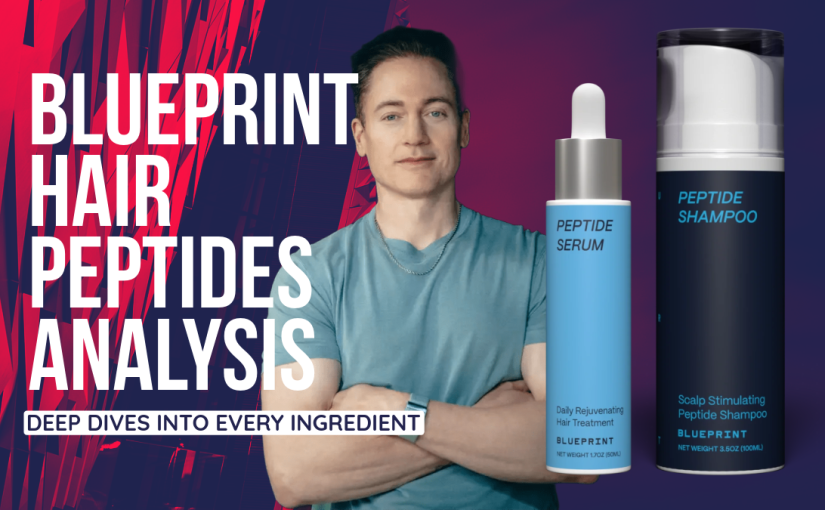
Blueprint is the health and longevity company started by Bryan Johnson. They mostly sell supplements, but also things like olive oil, honey, powders, and meal-replacements. They are notable for their high level of transparency, providing recent third-party COAs (Certificates of Analysis) for each produc, which disclose both the levels of contaminants and usually the amounts of ingredients1.
They recently launched a shampoo and hair serum designed to help scalp and hair health and growth. I wanted to explore the evidence behind them and thought you might, too.
Click here for the video version of this article on YouTube.

This article isn’t about hair-loss in general, but before we get to the product review it’s worth briefly addressing how scalp and hair relate to overall health.
Hair and Health
A 2014 analysis of a randomized trial involving 39,070 men found that:
[…] baldness at age 45 years was significantly associated with an increased risk of aggressive prostate cancer compared with no baldness.2
This has been replicated in other research, including in a systematic review and meta-analysis of 7 case-control studies3.
There is an established link between vertex (top of head) baldness and coronary artery disease (atherosclerosis), as shown by a meta-analysis of 856 studies involving 36,990 participants, even in young people4.
In fact, a 2017 study found that baldness and premature greying are the strongest predictors of early heart disease, even ahead of obesity5.
This suggests a common mechanism behind these diseases and scalp/hair health. It does not suggest that using any topical products would improve risks for those diseases, but it does show that premature baldness and greying are not purely cosmetic.
Hair protects the head from UV radiation6 and having skin that is able to recover from wounds becomes increasingly important as we age, which is relevant because some of the ingredients in these products may improve wound-healing.
What is a peptide?
I’ve seen a lot of news about peptides recently in the health and longevity space, to the point of it becoming like a buzzword. Peptides are basically small, simple proteins, as the Encyclopedia Britannica explains in its article What Is the Difference Between a Peptide and a Protein?:
The basic distinguishing factors are size and structure. Peptides are smaller than proteins. […] In addition, peptides tend to be less well defined in structure than proteins […]7
Peptides occur naturally in our bodies, and they can also be hormones; insulin and oxytocin are peptides. They can also be pharmaceuticals, with 5 peptides gaining FDA-approval as drugs in 20238
Over the course of researching for this review, it became clear to me that there is a nearly-overwhelming amount of research on peptides, spanning more than a century. The journal Antibiotics did a 2024 special issue titled The Century-Long Journey of Peptide-Based Drugs9 that dove into the history from an antimicrobial perspective, noting that the first insulin injection happened in 1922.
Even with that rich history, there isn’t much high-quality evidence in humans for hair and scalp application, especially not topical, let alone liposomal, which is what the Blueprint hair products use to increase absorption rates.10
What are the Claimed Benefits?
It’s important to know what the specific claims are before evaluating the shampoo and serum.
I pulled the following relevant claims from the Blueprint FAQ website11, there were more claims but I ignored ones that use waffly language like “improves hair quality” and things like that, which was most of the claims.
- Some users report differences in the appearance of gray hair, but more research is needed.
- Using the products for 6-9 months results in fuller, thicker looking strands and reduced dryness, flakiness and irritation.
- Both the Peptide Serum and Peptide Shampoo are free of drugs, hormones, SLS, parabens, gluten, sulfates, animal testing, carcinogens, and fragrance.
- Those with a history of skin cancer on the scalp should not use the products.
We will come back and evaluate these claims at the end.
The Ingredients
Here I’ll list the ingredients for each bottle separately, since they are similar but different, and then I will drill into the research for each ingredient in the next section.
It’s worth noting that Blueprint is not disclosing the amounts of ingredients, which was a bit surprising for me because the brand has been built on transparency until now. They publish CoAs and amounts for all of their supplements. They do publish CoAs for these products too12 13 but they are only for contaminants, not ingredients. That means we are in the position of needing to trust Blueprint, which is something Bryan has famously and repeatedly warned everyone to not do with companies.
I reached out to Blueprint support to see if they would let us know about the amounts, and got this response:
While we share the full list of peptides included in the shampoo and serum, we do not disclose the specific amounts of each ingredient as this is part of our proprietary formulation.
The next sections contain the in-depth analyses of the ingredients. If you would prefer to skip to the conclusion, click here.
Blueprint Peptide Serum
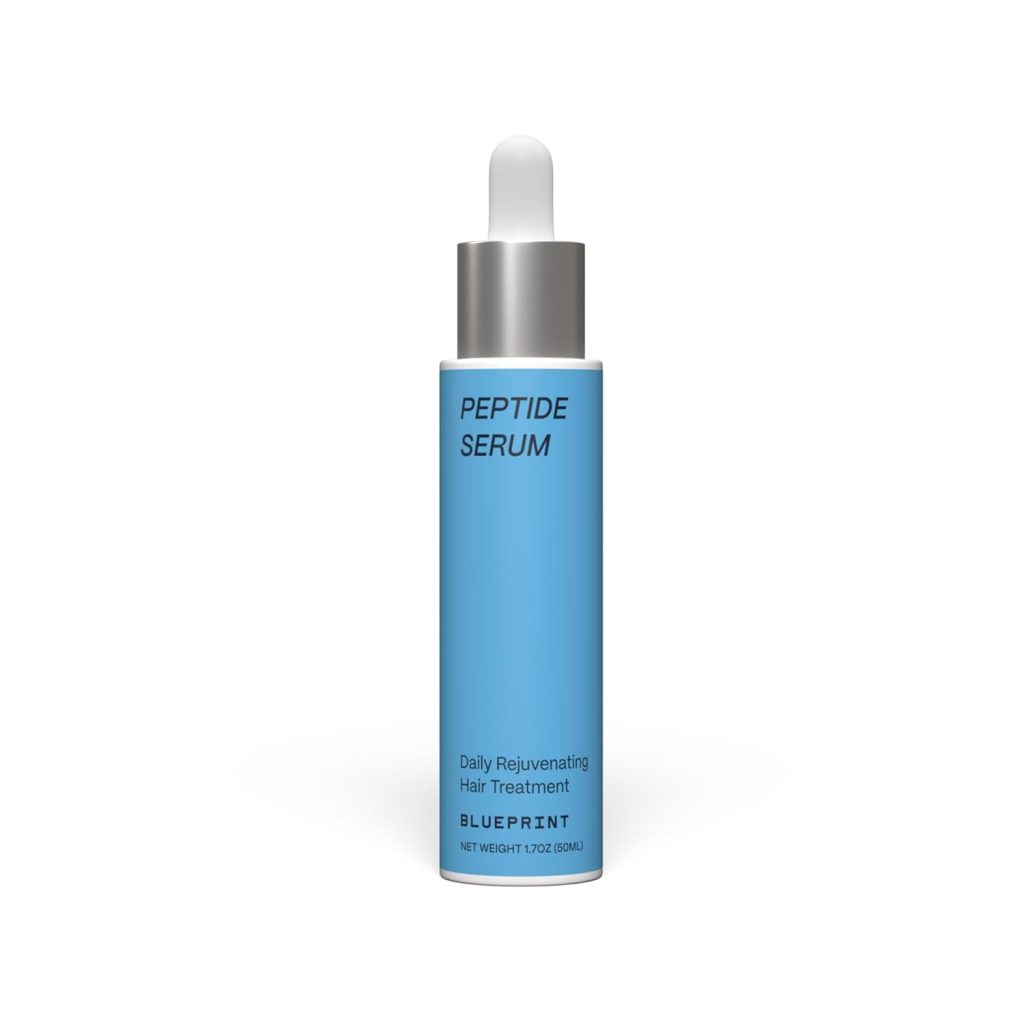
The peptides are:
- sh-oligopeptide-1 – EGF
- sh-oligopeptide-4 – Thymosin-β4
- sh-polypeptide-4 – SCF
- sh-polypeptide-7 – hGH
- sh-polypeptide-9 – VEGF
- sh-Polypeptide-59 – PDGF
- sh-Polypeptide-86 – Follistatin
- Copper Tripeptide-1 – GHK Tripeptide-1
In addition to the peptides, the ingredients are:
Aqua, Pentylene Glycol, Glycerin, Hydroxyethyl Acrylate/Sodium Acryloyldimethyl Taurate Copolymer, DNA (PDRN), Nicotinamide Mononucleotide, Curcumin, Tetrahydrocurcumin, Panthenol, Caffeine, Adenosine, Niacinamide, Arginine, Ketoglutaric Acid, Salicylic Acid, Thioctic Acid, Lecithin, 1,2-Hexanediol, Acetyl Cysteine, Glycine, 3-O-Ethyl Ascorbic Acid, p-Anisic Acid, Polysorbate 60, Sodium Citrate, Citric Acid, Glutathione14.
Blueprint Peptide Shampoo
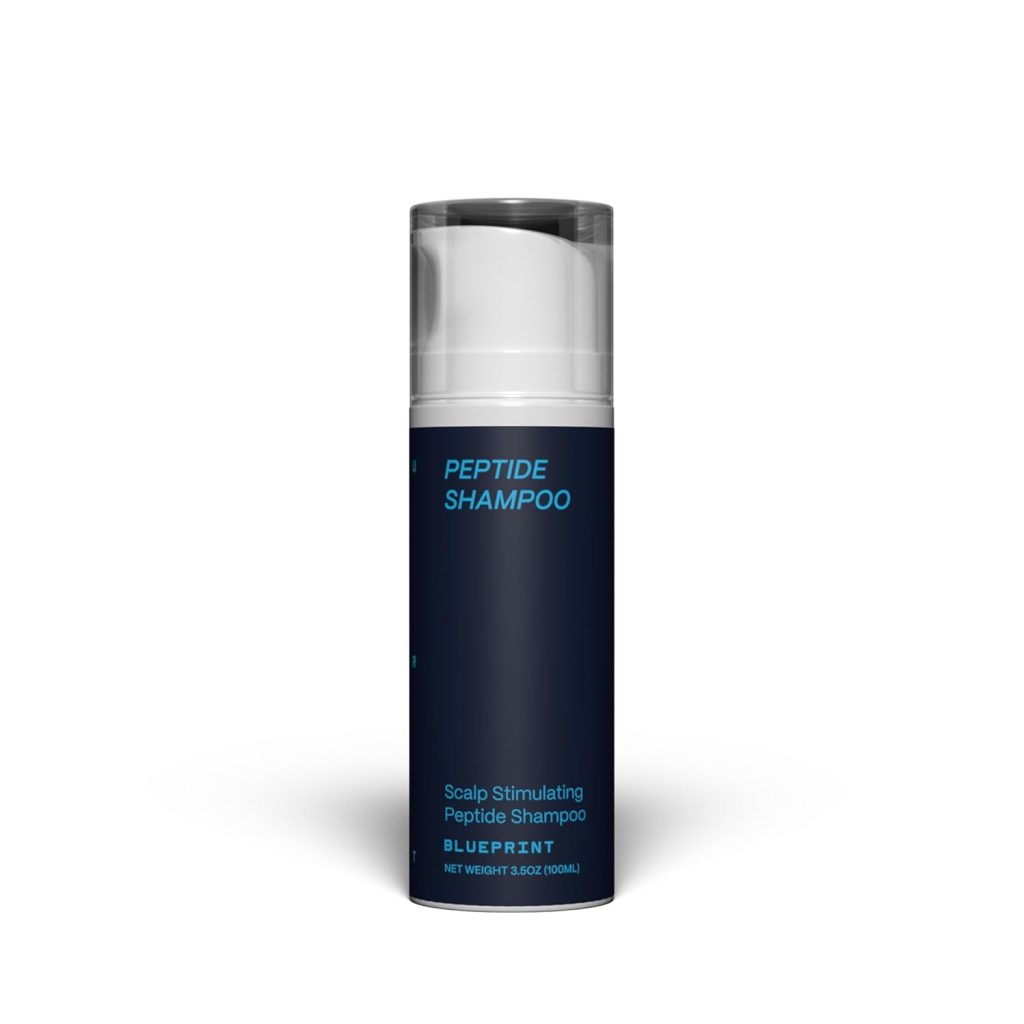
The peptides are:
- sh-oligopeptide-1 – EGF
- sh-oligopeptide-4 – Thymosin-β4
- sh-polypeptide-1 – bFGF
- sh-polypeptide-7 – hGH
- sh-polypeptide-9 – VEGF
- sh-polypeptide-11 – aFGF
- sh-polypeptide-71 – VIP
- Copper Tripeptide-1 – GHK Tripeptide-1
In addition to the peptides, the ingredients are:
Aqua, Lauryl Glucoside, Glycerin, Decyl Glucoside, Coco-Glucoside, Disodium Lauryl Sulfosuccinate, Pentylene Glycol, Lauramidopropyl Betaine, Sodium Cocoyl Apple Amino Acids, Betaine, Glycol Distearate, Polyquaternium-10, Caprylyl/Capryl Glucoside, Niacinamide, 3-O-Ethyl Ascorbic Acid, Adenosine, Caffeine, Arginine, Tetrahydrocurcumin, Curcumin, Menthol, Silk Amino Acids, Tetrasodium Glutamate Diacetate, Mentha Arvensis Herb Oil, Lecithin, Trehalose, Glyceryl Caprylate, Hexylene Glycol, Panthenol, Polysorbate 60, Citric Acid, Sodium Citrate, Sodium Chloride, Phenoxyethanol, Limonene.15
Analysis
Peptides in both bottles
The bottles share most of their peptides, so this section will look at them together. Then there will be two more sections to cover the remaining peptides.
sh-oligopeptide-1 (EGF)
Epidermal Growth Factor is a popular peptide with decades of research behind it, starting in the 1950s. It is found throughout our bodies and food, as well as other anti-hair loss and hair growth products16
A 2021 systematic review of 49 articles found that EGF is effective at regenerating wounded skin and inverting skin aging, however they also noted that only 15 of those studies were randomized and controlled, and they found the positive effect was better when its was injected than applied topically, so they were wary about claiming its efficacy as established.
They also noted that penetration may be improved by chemical modification with lipophilic molecules, which is what Blueprint claim to be using with their nanoliposome delivery system.
The researchers also made an interesting statement:
Similarities exist between the aging skin and wound healing, and mostly they involve the same oxidation and repair mechanisms17
However, it’s not all good news on EGF. One study found that serum EGF correlated with alopecia areata, which is an autoimmune disorder that causes bald patches to appear18
An older study on sheep showed that high levels of EGF caused wool to stop growing and fall out, as well as rupturing of blood vessels in the dermis19. So the claim that Bryan Johnson makes that these products contain:
8 biomimetic peptides, more than any other product. And in the highest concentrations.20
is not necessarily a good thing. It would be good to know what the amounts are so we can assess risk.
sh-oligopeptide-4 (Thymosin-β4)
There is a lot of research about Thymosin beta-4 confirming its ability to enhance wound-healing and hair growth21.
An article in the European Journal of Dermatology notes that it is effective for accelerated healing and tissue repair, and that it is safe even in frail people.
[…] thymosin β4 has, in the last 20+ years, showed consistent strong effects on promoting tissue repair and regeneration in many diverse organs and in various preclinical models of tissue injury22
One small study found that it improved seborrheic dermatitis more than ketoconazole, and improved the homeostasis and composition of the scalp microbiota and flora23
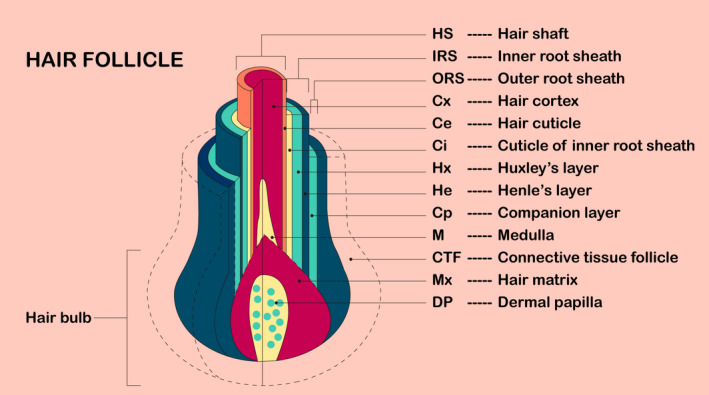
There is also mechanistic evidence of its effects on hair growth and angiogenesis24 which also describes the hair follicle as an important mini‐organ of the skin, consisting of nine distinctive epidermal layers, with this useful diagram:
sh-polypeptide-7 (hGH)
Human Growth Hormone has a long history of use, but usually isn’t used topically because of very poor absorption. However delivery methods like liposomes have been shown to enhance absorption.
A 2023 study showed that topical hGH with an absorption aid significantly improved wound healing and reduced scarring25
At high concentrations (500 ng/mL) of hGH, IGF-1 mRNA expression is down-regulated, while low concentrations (5 ng/ml) caused IGF-1 upregulation26, so it’s very important to get the right dose.
sh-polypeptide-9 (VEGF)
Vascular Endothelial Growth Factor is an interesting choice here, because a lot of the research on it is about how cancer tumors use it to give themselves an advantage, and its role in vision loss.
Targeting VEGF and associated pathways has prevented blindness in millions of patients with eye disease and increased survival/lifespan for patients suffering from a number of different cancer types27.
Here is an overview of the history of VEGF:
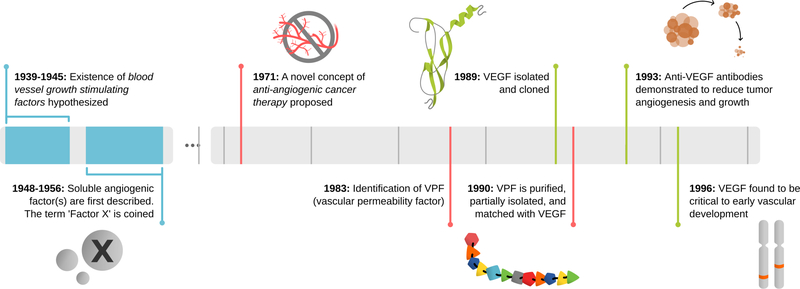
It’s common for cancers to adapt in those kinds of ways, and doesn’t necessarily mean using topical VEGF is a bad thing. Obviously we don’t want cancers to grow, but we do want healthy cells to grow.
I am more concerned about its effects on eye disease, especially given that parts of it would migrate to the eyes from the scalp and hair while using shampoo in the shower. The suppression of VEGF is a common way to treat vision loss, as seen in this quote from a 2019 review of 16 trials:
Participants treated with any anti‐VEGF agent featured in these trials […] more often gained or maintained visual acuity at one year and less often lost visual acuity compared with participants who received no anti‐VEGF agent.28
Copper Tripeptide-1 (GHK)
GHK (glycyl-l-histidyl-l-lysine) promotes skin remodeling, wound healing and regeneration29. It also stimulates blood vessel and nerve outgrowth, and increases collagen and elastin. GHK is also anti-cancer, anti-inflammatory, restores chronic obstructive pulmonary disease (COPD) fibroblasts, and has anti-aging properties30.
I have used a GHK serum before on my face. It was too expensive to continue using, which is a shame because my skin was really responding to it, so I am a fan of this ingredient.
Serum-only peptides
sh-polypeptide-4 (SCF)
Stem Cell Factor is also known as Mast Cell Growth Factor, KIT-ligand, and Steel Factor. There is research confirming it has a role in melanogenesis, which is the process that produces melanin which darkens skin and hair31.
SCF is similar to VEGF in that it is upregulated in cancer cells, in this case particularly mast cell tumors in cats32 and dogs33. Again, that doesn’t mean that applying it topically would cause cancer, but it is worth being aware of.
sh-Polypeptide-59 (PDGF)
Platelet-Derived Growth Factor is involved in the maintainance of connective tissue, but elevated levels are found in the skin and lungs of people suffering from scleroderma (systemic sclerosis)34 and it is involved in the progression of melanoma35.
Topical application has been found to enhance wound healing36 leading to it being applied to wound dressings37, though that finding has been inconsistent38 and it may induce and maintain hair follicles’ anagen phase in mice39.
Higher concentrations of PDGF receptors are found in chronic skin wounds and psoriasis40, and low levels of PDGF correlate with metabolic syndrome, potentially explaining why psoriasis and metabolic syndrome often occur together41.
sh-Polypeptide-86 (Follistatin)
There’s little to no direct evidence for topical follistatin affecting scalp or hair in humans. There are some studies in mice that suggest it might increase the cycle rate of hair follicles, which would more closely match the rate of younger mice42, but those mice are genetically-modified to suppress their follistatin production, so it’s hard to know what the effect could be in humans43.
It’s also not necessarily the case that increasing cell turnover in aging people would be good for their scalp or overall health, and that line of thinking could be a good example of a common logical fallacy in longevity research; there might be good reasons for hair cell turnover slowing with age.
Our bodies are complex and full of mechanisms that maintain homeostasis, so making one specific thing more “youthful” can have unexpected effects. This line of reasoning is summarized in the antagonistic pleiotropy hypothesis44. For example, having a youthful immune system as we age can cause autoimmune disorders, as a recent review in Nature Aging explains45.
Shampoo-only peptides
sh-polypeptide-1 (bFGF)
Basic Fibroblast Growth Factor has been seen to increase hair follicle size, hair shaft length, and even increase pigmentation via melanin synthesis and increase proliferation of hair follicle stem cells in mice and human cells4647 48.
That might be a double-edged sword – which is a recurring theme with these growth factors – because it may make melanoma more common when combined with UVB radiation49, which is abundant in sunlight.
sh-polypeptide-11 (aFGF)
Acidic Fibroblast Growth Factor is similar to bFGF and promotes the anagen growth phase of hair follicles when injected into mice, but may also slow down hair growth over time, according to a mouse study that found:
Follicles in bFGF-treated areas appeared able to form and develop normally but at a much slower rate. This suppressed state continued until the influence of exogenous FGF was removed […]50
There isn’t as much research for aFGF as bFGF, especially for topical use, so it’s hard to say anything conclusive about it.
sh-polypeptide-71 (VIP)
Vasoactive Intestinal Peptide may contribute to maintaining the immune-privilege of hair cells to protect them from autoimmune diseases51, and it may stimulate hair pigmentation:
VIP treatment significantly promoted intrafollicular melanin production in situ and stimulated melanogenesis […]52
Other ingredients in both bottles
Now I’ll go over the other ingredients. Even though the products are mostly about the peptides, there are other active ingredients worth knowing about and considering.
Aqua
Obviously they both have water, and that’s good.
Pentylene Glycol
This is a common humectant (moisture-retainer) in cosmetics. It’s usually safe but it does cause allergic reactions in a small number of people, which has caused some researchers to suggest it is an adult allergen53. If you do get a skin reaction from these products, this could be why.
Glycerin
This is another common humectant and is considered safe, no worries here54.
Curcumin and tetrahydrocurcumin
Curcumin is a popular supplement derived from turmeric. It also shows promise for reducing inflammation and enhancing wound healing when applied to skin, as shown in reviews55 56, and being encased in liposomes should improve its absorption, which is typically not very good57. Tetrahydrocurcumin is a more bioavailable and stable version of curcumin. I like these ingredients.
Panthenol
This is a derivative of vitamin B5 (pantothenic acid), and when it is absorbed by the body, it becomes vitamin B5 again. It can help with inflammation and eczema58. Rates of allergic reactions are uncommon at around 1.2%, but that is enough to be aware of59.
Caffeine
Caffeine is another good choice, because it improves circulation, protects cells against UV radiation, and slows down skin photoaging60. The Blueprint website claims that it helps “maintain scalp hydration and overall scalp comfort”61.
Adenosine
Adenosine has been shown to improve hair thickness in Japanese and Caucasian men and women with pattern baldness, with no recorded side-effects6263. This is a great ingredient.
Niacinamide
Niacinamide has become popular in skin products, and there is some evidence it can help increase hair fullness64 but there is also research showing that it inhibits hair growth65 66 so I’m not sure about this one. Do you want fuller hair that also grows more slowly?
Arginine
Arginine has been seen to enhance wound healing in skin67, but there isn’t much research relating to hair or scalp in humans. I found one research paper published by L’Oréal that linked arginine to hair elongation, but obviously it is in their interest to make that finding, so it should be taken with a grain of salt68.
Lecithin
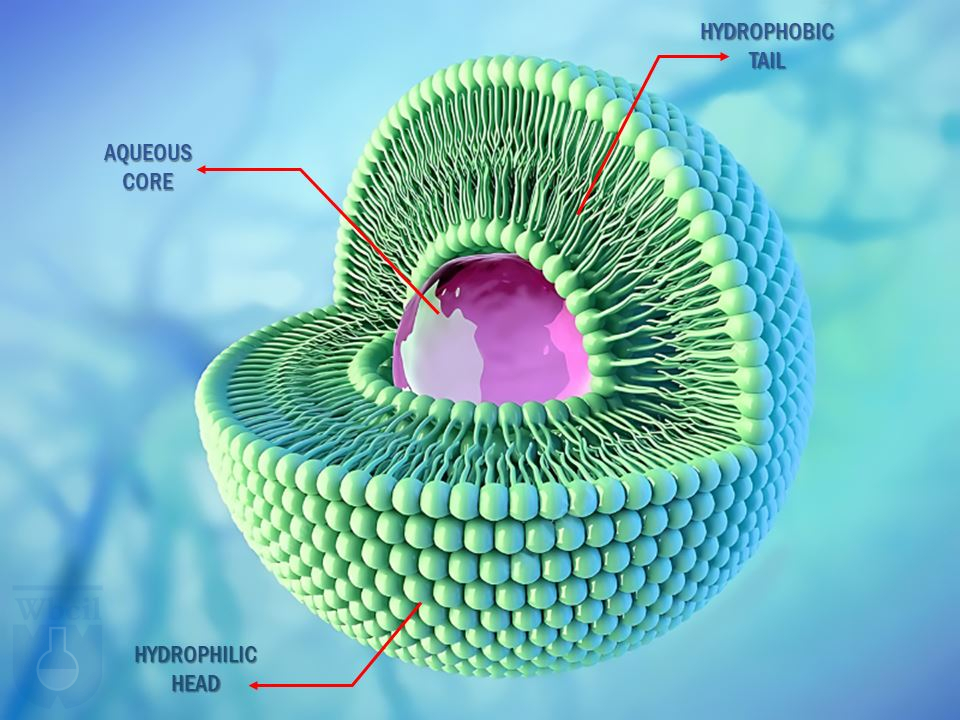
Lecithin is commonly used to form liposomes, which are basically blobs of fat similar to cell membranes that encase active ingredients, and protect them from being broken down on their way to cells, which improves their absorption69.
As you can see in this image, liposomes have a hydrophilic outer surface layer, a hydrophobic inner surface layer, and a core which is where the real ingredient to be absorbed is.
3-O-Ethyl Ascorbic Acid
3-O-Ethyl Ascorbic Acid is also known as Vitamin C Ethyl. It’s commonly used as a skin lightener70 and there is research hypothesizing that vitamin C in the diet is useful for hair, but everything I could find was in vitro or theoretical71, so there appears to be a lack of high quality evidence for this one despite its popularity, which was surprising to me.
Polysorbate 60
Polysorbate 60 (polyoxyethylene (20) sorbitan monostearate) is an emulsifier, which means it improves the consistency between oil and water-based ingredients. It is widely used and considered safe72.
Sodium Citrate and Citric Acid
Sodium citrate is used as a pH adjuster, chelating agent, and buffering agent. It is generally considered safe73.
Serum-only ingredients
Hydroxyethyl Acrylate/Sodium Acryloyldimethyl Taurate Copolymer
This tongue-twister has limited evidence as a stabilizer and may improve absorption of minoxidil74 75 so it is an interesting choice for the 4th-highest non-peptide ingredient in the serum. That’s a lot of trust to place in hardly any evidence.
DNA (PDRN)
There is some evidence that polydeoxyribonucleotide can improve wound healing, skin aging, acne scars, and hair loss76, with one study concluding that:
[…] PDRN effectively inhibits the aging of keratinocytes cells by upregulating SIRT1 expression and reducing nuclear autophagy when exposed to UVB or H2O2-induced senescence including in mice skin.77
Nicotinamide Mononucleotide
NMN is one of the most popular and controversial longevity supplements, and has more recently been studied for its effects on scalp and hair. There is promising preliminary evidence that it promotes hair growth and reduces scalp inflammation, especially when combined with other agents and LLLT78
Ketoglutaric Acid
Also known as alpha ketogluterate (α-KG), this is another popular supplement that has been shown to increase lifespan and healthspan in mice, including female mice, which isn’t that common79. There is also limited evidence that it may improve hair growth by increasing autophagy80 but this is really preliminary, non-human evidence.
Salicylic Acid and Menthol
Salicylic acid along with menthol and dexpanthenol has been shown to improve hair thickness, reduce itchiness, and reduce hair loss in people in Korea81, and in a double-blind randomized placebo-controlled study that also tested panthenol and niacinamide82 so these are good additions.
Thioctic Acid
Thioctic Acid is also commonly known as ALA (alpha-lipoic acid). It occurs naturally in food like spinach, broccoli, flaxseeds, chia seeds, and organ meats83. There isn’t much research about its effects on scalp and hair, but there is one study that found it reduced scalp inflammation and therefore could help with hair loss and thinning, when combined with carnitine and saw palmetto extract84.
1,2-Hexanediol
The research is lacking on 1,2-Hexanediol, but it is commonly-used in hair products as a preservative to increase shelf-life, and as a humectant85. Despite the lack of formal research, it seems to have a good reputation as a skincare ingredient, with only a slight risk of clogging pores86.
Acetyl Cysteine
Acetyl Cysteine, also known as N-acetyl-L-cysteine (NAC) is another popular supplement in the longevity space, often paired with glycine in a combination referred to as GlyNAC.
There is one research article in the QJM showing it improves hair density and quality with no reported side-effects87 but there are no details about the methodology in the online PDF so I don’t know whether it was used topically or orally, or anything else about the study.
Speaking of pairing it with glycine, the next ingredient is…
Glycine
Similar to NAC, glycine has very little evidence for topical use on scalp or hair. It may be a promising candidate given that it may work to slightly reduce damage from UVA radiation88 but more research is needed.
p-Anisic Acid

p-Anisic acid is also known as draconic acid, which is a pretty cool name. It’s a common preservative used in cosmetics, nothing too interesting apart from the name89.
Glutathione
The final ingredient for the serum is glutathione, which is another popular supplement, sometimes called the Master Antioxidant. Interestingly there are studies showing it has a positive effect on oxidative stress in hair follicles90, and that hair growth is impaired when glutathione is reduced91.
Shampoo-only ingredients
Lauryl, Decyl, Coco, and Caprylyl/Capryl Glucosides
These ingredients are collectively known as alkyl glucosides, and because they are surfactants, they’re also emulsifiers. They perform the same function as the infamous Sodium Lauryl Sulfate (SLS), but are less irritating. They all have a decent safety profile and are at most mildly-irritating92.
One exception is lauryl glucoside, which is safe, but one study showed that it increased hair friction and rigidity93 and was inferior to the other surfactants that were tested, so it’s a bit puzzling that it is the first ingredient in the shampoo behind water.
Disodium Lauryl Sulfosuccinate and Sodium Cocoyl Apple Amino Acids
Disodium lauryl sulfosuccinate (DLS), as the name suggests, is similar to SLS. It is equally as foaming, but unlike SLS it is not a sulfate, making it milder than its irritating molecular cousin94. Sodium Cocoyl Apple Amino Acids are the same95.
Lauramidopropyl Betaine and Betaine
Lauramidopropyl betaine (LAPB) is similar to DLS, since it is a non-sulfate surfactant. However, there is evidence that it inflames scalp dermatitis in some people96 and a systematic review found that another form of betaine causes eczema lesions, itching, and burning sensations in 7% of people97, so this is a questionable choice, especially given that there are already milder ingredients in the formulation that perform the same function.
Glycol Distearate
Glycol distearate is basically used to give cosmetics iridescence98.
Polyquaternium-10
Polyquaternium-10 adds a thin film to the surface of hair which can make it appear glossy and conditioned. It can also cause other ingredients to stay in the hair longer, as one study showed with hyaluronic acid99.
Silk Amino Acids
Silk amino acids are similar to polyquarternium-10, in that they add a thin film, but silk amino acids may also protect against UV damage, and have anti-oxidant, anti-microbial, and anti-tyrosinase activity. Their low molecular weight also gives them good absorption into hair strands and skin cells100. This seems like a good ingredient.
Tetrasodium Glutamate Diacetate
Tetrasodium glutamate diacetate is also known as glutamic acid diacetate (GLDA) and it’s a chelating agent, which means it binds to metals to prevent oxidation101. Glutamic acid has been shown to promote hair growth in mice102 but other variants make wounds heal more slowly103 so it’s hard to know what the overall effect of this ingredient would be.
Mentha Arvensis Herb Oil
Mentha arvensis (also known as wild mint or cornmint) oil is an ingredient in mosquito repellants and herbal medicine for things like stomach aches and gum health104. Herbal hair oils in general have been seen to have good effects on hair growth and scalp inflammation105 and while there isn’t a lot of research on this particular one and scalp or hair, this oil consists of up to 93.7% menthol106 so it can be expected to also have the benefits of menthol I mentioned earlier in this article.
Trehalose
Trehalose may increase proliferation and decrease cell death in hair cells when exposed to oxidative stress107 and protect against skin damage108.
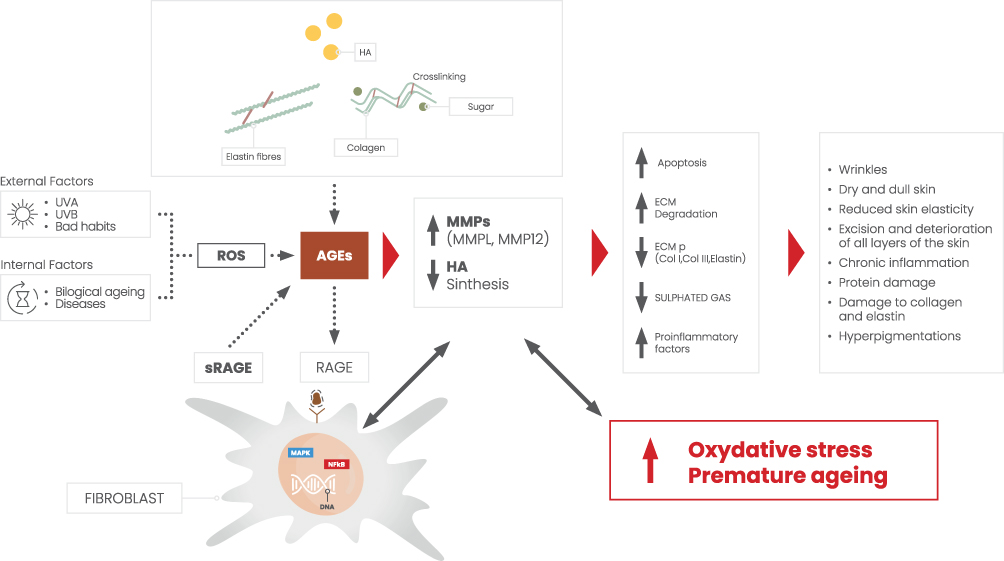
In a comprehensive review from 2024, it has been seen to work in combination with hyaluronic acid to enhance skin quality and mitigate inflammation, leading the researchers to conclude that:
The implications of these findings are profound for the future of anti-aging therapeutics in aesthetic medicine, suggesting that the integration of HA and trehalose holds promise for revolutionary advancements in preserving skin vitality and health.109
Glyceryl Caprylate and Hexylene Glycol
Glyceryl caprylate and hexylene glycol are preservatives and moisturizers. Glyceryl caprylate seems safe in low concentrations110. but hexylene glycol has been seen to cause an allergic reaction in 2.8% of people in a study involving 823 eczema patients111.
Sodium Chloride
Sodium chloride (table salt, NaCl) seems like a strange choice here, because it has been seen to correlate with immune responses causing atopic dermatitis (atopic eczema), with researchers noting that:
The skin of patients suffering from atopic dermatitis contained elevated sodium compared to nonlesional atopic and healthy skin.112
It is usually added to cosmetics as a thickener113.
Phenoxyethanol
Phenoxyethanol is a stabilizer that is generally regarded as safe for adults by regulatory authorities at 1% concentration114 and has been seen to reduce skin acne in a pilot study115.
However, there is evidence that it may disrupt the endocrine system, resulting in longer pregnancies116, differences in hormone levels in children117, and lower neurocognitive performance in 6-year-olds118 according to data analyzed from the PELAGIE Cohort Study which is a really cool ongoing study on 3421 women and their children in France that has already contributed a wealth of data about the effects of pesticides, solvents and pollutants.
The International Journal of Epidemiology published a great overview of the study called Cohort Profile: The PELAGIE mother-child cohort that I recommend checking out119.
Limonene
Limonene comes from citrus peels and has been associated with a variety of potential health benefits to skin and hair including protecting against UV damage by boosting antioxidant defense systems in the body120, inhibiting pro-inflammatory cytokines and itching from eczema in mice121, and improvements to hair loss in rats122. There are a lot of studies about its good effects, but most of them are in non-humans.
It’s regarded as safe in cosmetics, though there is potential for skin irritation123.
Do the products meet the claims?
Now that we know the evidence, let’s look again at the de-waffled claims:
- Some users report differences in the appearance of gray hair, but more research is needed.
I almost didn’t include this since it’s a bit hard to decipher – does a “difference in the appearance of gray hair” mean less grey hair, or that it’s still grey but looks different somehow, like softer or more glossy?
Ultimately I included it as a measure because any time you mention even a small chance of grey hair reversal in a product, it will fly off the shelves. People going grey really want to believe that something might work, and when coupled with the claim that you can’t expect to see benefits from a product for 4 months or more, it means you can make a lot of money from people before they realize it’s not working for them. A quick look at popular anti-grey companies tells you everything you need to know about this – they get terrible ratings on independent websites like TrustPilot124 and Scam-Detector125, but it’s all 5/5s on their own websites.
Having said that, I appreciate how careful Blueprint have been with their claim here, especially given the fact that at least 2 of the peptides have been shown to increase hair pigmentation so they could have made a bigger claim than they have here, and instead they are waiting.
- Using the products for 6-9 months results in fuller, thicker looking strands and reduced dryness, flakiness and irritation.
These claims are all supported by evidence for some of the ingredients, however there are also some ingredients that cause those problems, so it’s hard to say what the ultimate outcome will be. Will the anti-inflammatory ingredients win against the inflammatory ones? That’s not clear to me.
I think what is clear is that some of the ingredients are odd choices and introduce unnecessary risk of irritation, so it will be interesting to see what people say about that when it has been in the wild for longer.
- Both the Peptide Serum and Peptide Shampoo are free of drugs, hormones, SLS, parabens, gluten, sulfates, animal testing, carcinogens, and fragrance.
These claims are true with some caveats. While the Blueprint products in their final form may not have been tested on animals, most or all of the ingredients have been. There are also some fragrances, and while they’re not exactly carcinogens, some of the peptides have the risk of association with cancer, which leads onto the next claim:
- Those with a history of skin cancer on the scalp should not use the products.
This suggests to me that the company knows about that association I just mentioned, so they are using very precise language when they say there are no carcinogens.
It’s good that they’re pointing this out, but it seems too important to be hidden away in a FAQ, it would be more responsible to disclose this on the product pages themselves.
So, should you buy them?
If you made it all the way to here, firstly you should be congratulated, and secondly, you probably want to know whether the potential benefits outweigh the potential costs.
Honestly, this is a hard one. Even in the longevity and healthspan space where it’s common to take on some degree of risk, introducing so many peptides in undisclosed amounts and in a relatively untested delivery mechanism is a lot to ask.
Some of the ingredients and peptides have big potential upsides, but are also entirely untested in this format, aside from any private testing that Blueprint has done which I don’t see any data on.
Not knowing the amounts of the peptides is also a problem because some serious side-effects have been found at higher doses, and we don’t know how close these formulations are to hitting those upper limits, and often we don’t even know what those upper limits would be, especially when liposomal and LLLT delivery are factored in.
While I was researching for this, which has taken me an entire month to do, Bryan mentioned that the products sold out immediately on launch126, so it’s clear there is a lot of trust being placed in Bryan and Blueprint, and a lot of demand for products like these. I suspected that would be the case, which is why I didn’t take any shortcuts on this research. I wanted to do my best to enable people to make informed decisions about these products.
I would love to know what you think. Has this article changed your mind or made you more sure of your decision? Let me know, and don’t forget to subscribe for future reviews.
Updates
The following updates have been made to this article since it was published:
- 2025/10/05
Added reference to the Nature Aging review Sustained immune youth risks autoimmune disease in the aging host as example of not always wanting to match biomarkers with young people, in the Follistatin section. - 2025/10/02
Removed mention of citric acid being a fragrance. There was a credible source for it, but then it contradicted itself later on, so I think it was in error. Thanks to Julie Forsey for the correction.
- Blueprint COAs page ↩︎
- Relationship Between Male Pattern Baldness and the Risk of Aggressive Prostate Cancer: An Analysis of the Prostate, Lung, Colorectal, and Ovarian Cancer Screening Trial ↩︎
- Androgenetic alopecia and risk of prostate cancer: A systematic review and meta-analysis ↩︎
- Male pattern baldness and its association with coronary heart disease: a meta-analysis ↩︎
- Male-pattern baldness and premature graying associated with risk of early heart disease ↩︎
- Human Hair as a Natural Sun Protection Agent: A Quantitative Study ↩︎
- What Is the Difference Between a Peptide and a Protein? ↩︎
- The Pharmaceutical Industry in 2023: An Analysis of FDA Drug Approvals from the Perspective of Molecules ↩︎
- The Century-Long Journey of Peptide-Based Drugs ↩︎
- Blueprint Complete Haircare Stack ↩︎
- Blueprint FAQ website ↩︎
- CoA for Blueprint Peptide Shampoo ↩︎
- CoA for Blueprint Peptide Serum ↩︎
- Peptide Serum on Blueprint ↩︎
- Peptide Shampoo on Blueprint ↩︎
- Technological Advances in Anti-hair Loss and Hair Regrowth Cosmeceuticals: Mechanistic Breakthroughs and Industrial Prospects Driven by Multidisciplinary Collaborative Innovation ↩︎
- Epidermal Growth Factor in Aesthetics and Regenerative Medicine: Systematic Review ↩︎
- More is Not Always Better in Hair Growth Factors. Epidermal Growth Factor: Hair Growth Factor Involved in Alopecia Areata Pathogenesis ↩︎
- Epidermal Growth Factor as a Biologic Switch in Hair Growth Cycle ↩︎
- Bryan Johnson’s hair product announcement on Facebook ↩︎
- Progress on the Function and Application of Thymosin β4 ↩︎
- Thymosin β4: potential to treat epidermolysis bullosa and other severe dermal injuries ↩︎
- Recombinant human thymosin beta‐4 (rhTβ4) improved scalp condition and microbiome homeostasis in seborrheic dermatitis ↩︎
- Multiple potential roles of thymosin β4 in the growth and development of hair follicles ↩︎
- Topical Delivery of Cell-Penetrating Peptide-Modified Human Growth Hormone for Enhanced Wound Healing ↩︎
- Enhanced delivery of human growth hormone across cell membrane by Tat-PTD ↩︎
- VEGF in Signaling and Disease: Beyond Discovery and Development ↩︎
- Anti‐vascular endothelial growth factor for neovascular age‐related macular degeneration ↩︎
- The potential of GHK as an anti-aging peptide ↩︎
- Regenerative and Protective Actions of the GHK-Cu Peptide in the Light of the New Gene Data ↩︎
- Human recombinant stem-cell factor induces melanocytic hyperplasia in susceptible patients ↩︎
- Expression of Stem Cell Factor in Feline Mast Cell Tumour ↩︎
- Production of stem cell factor in canine mast cell tumors ↩︎
- Role of PDGF in fibrotic diseases and systemic sclerosis ↩︎
- Pharmacological inhibition of PDGF-C/neuropilin-1 interaction: A novel strategy to reduce melanoma metastatic potential ↩︎
- Topical Biological Agents as Adjuncts to Improve Wound Healing in Chronic Diabetic Wounds: A Systematic Review of Clinical Evidence and Future Directions ↩︎
- Why Are There So Few FDA-Approved Therapeutics for Wound Healing? ↩︎
- PDGF-BB does not accelerate healing in diabetic mice with splinted skin wounds ↩︎
- PDGF isoforms induce and maintain anagen phase of murine hair follicles ↩︎
- Increased dermal expression of platelet-derived growth factor receptors in growth-activated skin wounds and psoriasis ↩︎
- An Overview of Growth Factors as the Potential Link between Psoriasis and Metabolic Syndrome ↩︎
- The thinning top: why old people have less hair ↩︎
- Regenerative hair waves in aging mice and extra-follicular modulators Follistatin, Dkk1 and Sfrp4 ↩︎
- What Is Antagonistic Pleiotropy? ↩︎
- Sustained immune youth risks autoimmune disease in the aging host ↩︎
- Promoted Growth of Murine Hair Follicles through Controlled Release of Basic Fibroblast Growth Factor ↩︎
- Effect of bFGF on proliferation, activation and melanin synthesis of human hair follicle melanocytes in vitro ↩︎
- Effect of bFGF on proliferation, activation and melanin synthesis of human hair follicle melanocytes in vitro ↩︎
- Basic Fibroblast Growth Factor and Ultraviolet B Transform Melanocytes in Human Skin ↩︎
- Fibroblast Growth Factor and Epidermal Growth Factor in Hair Development ↩︎
- Vasoactive intestinal peptide, whose receptor-mediated signalling may be defective in alopecia areata, provides protection from hair follicle immune privilege collapse ↩︎
- Vasoactive intestinal peptide (VIP) is a novel, complex neuroendocrine regulator of human HF melanocyte biology in situ ↩︎
- Frequency of contact allergy to pentylene glycol. Retrospective cross-sectional study with data from the Società Italiana di Dermatologia Allergologica Professionale e Ambientale (SIDAPA) ↩︎
- Safety Assessment of Glycerin as Used in Cosmetics ↩︎
- A systematic review of the effects of Curcuma longa topical formulations on wound healing ↩︎
- Dermatological effects of Curcuma species: a systematic review ↩︎
- Curcumin and its topical formulations for wound healing applications ↩︎
- Use of Dexpanthenol for Atopic Dermatitis—Benefits and Recommendations Based on Current Evidence ↩︎
- Panthenol Allergic Contact Dermatitis: Sources of Exposure, Reported Cases, and a Call for More Frequent Testing ↩︎
- Caffeine’s mechanisms of action and its cosmetic use ↩︎
- Blueprint Peptide Shampoo product page ↩︎
- Topical adenosine increases the proportion of thick hair in Caucasian men with androgenetic alopecia ↩︎
- Adenosine increases anagen hair growth and thick hairs in Japanese women with female pattern hair loss: a pilot, double-blind, randomized, placebo-controlled trial ↩︎
- A pilot study evaluating the efficacy of topically applied niacin derivatives for treatment of female pattern alopecia ↩︎
- Topically Applied Nicotinamide Inhibits Human Hair Follicle Growth Ex Vivo ↩︎
- Topical niacinamide does not stimulate hair growth based on the existing body of evidence ↩︎
- Proliferative, anti-apoptotic and immune-enhancing effects of L-arginine in culture of skin fibroblasts ↩︎
- Importance of l-arginine for human hair elongation ↩︎
- Liposomes: structure, composition, types, and clinical applications ↩︎
- Timeline of the Development of Skin-Lightening Active Ingredients in Japan ↩︎
- The hair growth promoting effect of ascorbic acid 2-phosphate, a long-acting Vitamin C derivative ↩︎
- Final Report on the Safety Assessment of Polysorbates 20, 21, 40, 60, 61, 65, 80, 81, and 85 ↩︎
- Safety Assessment of Citric Acid, Inorganic Citrate Salts, and Alkyl Citrate Esters as Used in Cosmetics ↩︎
- Characterization and stability of emulsion gels based on acrylamide/sodium acryloyldimethyl taurate copolymer ↩︎
- API-polymer interactions in Sepineo P600 based topical gel formulation- impact on rheology ↩︎
- Polydeoxyribonucleotide in Skincare and Cosmetics: Mechanisms, Therapeutic Applications, and Advancements Beyond Wound Healing and Anti-aging ↩︎
- PDRN prevents SIRT1 degradation by attenuating autophagy during skin aging ↩︎
- Therapeutic effects of growth factor cocktail (CellcurinTM ) containing FGF5s (fibroblast growth factor 5 short) and NMN (nicotinamide mononucleotide) in patients with androgenetic alopecia: A split study ↩︎
- Alpha-Ketoglutarate, an Endogenous Metabolite, Extends Lifespan and Compresses Morbidity in Aging Mice ↩︎
- Stimulation of Hair Growth by Small Molecules that Activate Autophagy ↩︎
- Effects of hair ampoules containing L-Menthol, Salicylic acid, and Dexpanthenol on scalp and hair ↩︎
- Double-blind randomized placebo-controlled study of the efficacy and safety of hair loss prevention shampoo containing salicylic acid, panthenol, and niacinamide in alopecia patients ↩︎
- Top 10 List of Foods High In Alpha Lipoic Acid (ALA) ↩︎
- Inhibition of Inflammatory Gene Expression in Keratinocytes Using a Composition Containing Carnitine, Thioctic Acid and Saw Palmetto Extract ↩︎
- 1,2-HEXANEDIOL ↩︎
- Hexanediol ↩︎
- Efficacy and Tolerability of N-Acetyl-Cysteine for Treatment of The Early-onset Androgenetic Alopecia in Men ↩︎
- Exploring Bovine Serum Albumin (BSA) as a Facile Substrate for Testing of Osmolytes as Cosmetic Ingredients ↩︎
- Application of blend of p-anisic acid and sorbitan caprylate in hair shampoo ↩︎
- Oxidative damage control in a human (mini-) organ: Nrf2 activation protects against oxidative stress-induced hair growth inhibition ↩︎
- Mitophagy Promotes Hair Regeneration by Activating Glutathione Metabolism ↩︎
- Safety Assessment of Decyl Glucoside and Other Alkyl Glucosides as Used in Cosmetics ↩︎
- Glycolipid Biosurfactants, Mannosylerythritol Lipids, Repair the Damaged Hair ↩︎
- Should You Be Avoiding Disodium Laureth Sulfosuccinate? ↩︎
- Sodium Cocoyl Apple Amino Acids ↩︎
- Study of patch test results using cocamid propylbetaine-related surfactants ↩︎
- Allergic Contact Dermatitis of the Scalp Associated With Scalp Applied Products: A Systematic Review of Topical Allergens ↩︎
- Effects of surfactants on crystallization of ethylene glycol distearate in oil-in-water emulsion ↩︎
- Enhanced substantivity of hyaluronic acid on keratin substrates via polymer complexation ↩︎
- Potential of silk proteins in cosmetics ↩︎
- Chelate ↩︎
- Glutamic acid promotes hair growth in mice ↩︎
- NMDA-Type Glutamate Receptor Is Associated with Cutaneous Barrier Homeostasis ↩︎
- Antibacterial Activity of Essential Oils and Their Isolated Constituents against Cariogenic Bacteria: A Systematic Review ↩︎
- A Comprehensive Review of “Herbal Hair Oil: A Natural Remedy for Hair Loss and Scalp Health” ↩︎
- Mentha arvensis, a medicinal and aromatic plant, has high nutritional value and several-uses: A review ↩︎
- Trehalose increase proliferation and decrease apoptosis in hair cells induced by Hydrogen peroxides ↩︎
- Trehalose Prevents IL-4/IL-13-Induced Skin Barrier Impairment by Suppressing IL-33 Expression and Increasing NRF2 Activation in Human Keratinocytes In Vitro ↩︎
- Mitigating Glycation and Oxidative Stress in Aesthetic Medicine: Hyaluronic Acid and Trehalose Synergy for Anti-AGEs Action in Skin Aging Treatment ↩︎
- Final Report of the Amended Safety Assessment of Glyceryl Lau rate, Glyceryl Lau rate SE, Glyceryl Laurate/Oleate, Glyceryl Adipate, Glyceryl Alginate, Glyceryl Arachidate, Glyceryl Arachidonate, Glyceryl Behenate, Glyceryl Caprate, Glyceryl Caprylate, Glyceryl Caprylate/Caprate, Glyceryl Citrate/Lactate/Linoleate/Oleate, Glyceryl Cocoate, Glyceryl Collagenate, Glyceryl Erucate, Glyceryl Hydrogenated Rosinate, Glyceryl Hydrogenated Soyate, Glyceryl Hydroxystearate, Glyceryl Isopalmitate, Glyceryl Isostearate, Glyceryl Isostearate/Myristate, Glyceryl Isostearates, Glyceryl Lanolate, Glyceryl Linoleate, Glyceryl Linolenate, Glyceryl Montanate, Glyceryl Myristate, Glyceryl Isotridecanoate/Stearate/Adipate, Glyceryl Oleate SE, Glyceryl Oleate/Elaidate, Glyceryl Palmitate, Glyceryl Palmitate/Stearate, Glyceryl Palmitoleate, Glyceryl Pentadecanoate, Glyceryl Polyacrylate, Glyceryl Rosinate, Glyceryl Sesquioleate, Glyceryl/Sorbitol Oleate/Hydroxystearate, Glyceryl Stearate/Acetate, Glyceryl Stearate/Maleate, Glyceryl Tallowate, Glyceryl Thiopropionate, and Glyceryl Undecylenate1 ↩︎
- Skin reactions to hexylene glycol ↩︎
- Sodium chloride is an ionic checkpoint for human TH2 cells and shapes the atopic skin microenvironment ↩︎
- SODIUM CHLORIDE ↩︎
- Final Report on the Safety Assessment of Phenoxyethanol ↩︎
- Efficacy of octenidine dihydrochloride and 2-phenoxyethanol in the topical treatment of inflammatory acne ↩︎
- Urinary glycol ether metabolites in women and time to pregnancy: the PELAGIE cohort ↩︎
- Prenatal exposure to glycol ethers and sex steroid hormones at birth ↩︎
- Prenatal Exposure to Glycol Ethers and Neurocognitive Abilities in 6-Year-Old Children: The PELAGIE Cohort Study ↩︎
- Cohort Profile: The PELAGIE mother-child cohort ↩︎
- Limonene protects human skin keratinocytes against UVB-induced photodamage and photoaging by activating the Nrf2-dependent antioxidant defense system ↩︎
- d-Limonene inhibits cytokines and chemokines expression by regulating NF-kappaB and STAT in HaCat cells and DNCB-induced atopic dermatitis in BALB/c mice ↩︎
- Limonin, a Component of Immature Citrus Fruits, Activates Anagen Signaling in Dermal Papilla Cells ↩︎
- Safety Evaluation And Risk Assessment Of d-Limonene ↩︎
- AreyGrey on TrustPilot ↩︎
- Is heyhair.co Legit? on Scam-Detector ↩︎
- Bryan Johnson update on X ↩︎