
September was one of the most exciting months in recent memory for health news, so let’s dive in.
This roundup covers news about weight loss injections, sweeteners, cocoa, multivitamins, grounding, nicotinamide, oral microbiome, VOCs, autism, and ADHD.
Click here for the video version on YouTube.
Weight loss jabs improve health outcomes
Tirzepatide and semaglutide can reduce hospitalization for heart failure and all-cause mortality by over 40% in at-risk people (HFpEF), based on data from tens of thousands of people from 2018 to 20241.
There’s a lot of noise about these injections being inferior to other weight-loss methods, and that the fat will just return afterwards, so having this kind of real-world result is very valuable.
Low/no calorie sweeteners associated with cognitive decline
In an 8-year prospective study of 12,772 people published in Neurology, the sweeteners aspartame, saccharin, acesulfame K, erythritol, xylitol, sorbitol, and tagatose were associated with an accelerated rate of cognitive decline. They were associated with declines in memory, verbal fluency, and global cognition2.
Nicotinamide supplementation associated with reduced skin cancer
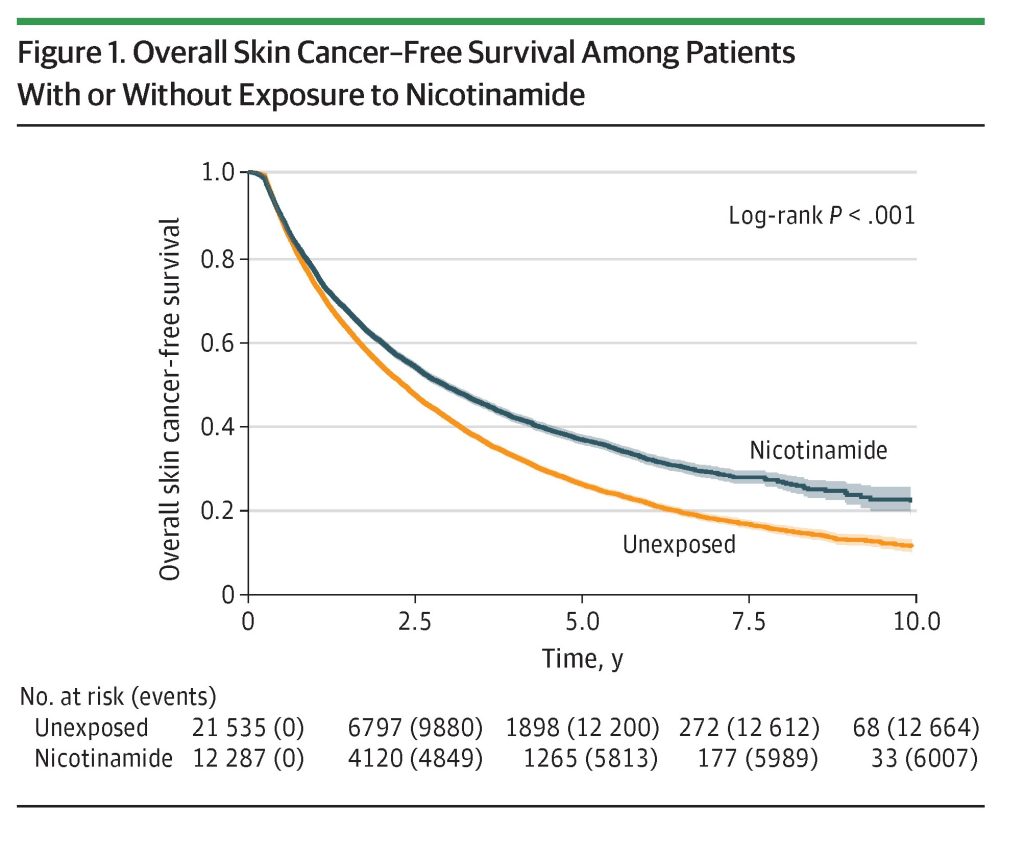
In a retrospective cohort study of 33,822 veterans, supplementation with 1g of nicotinamide, also known as niacinamide or vitamin B3, per day for more than 30 days resulted in 14-54% reduced risk of skin cancers overall, especially cutaneous squamous cell carcinoma3.
Cocoa flavanols reduce inflammaging, mortality, migraines, and more
Results were published from COSMOS (COcoa Supplement and Multivitamin Outcomes Study), which is a large, randomised, double-blind, placebo-controlled trial.
Over the course of 2 years, cocoa extract supplementation resulted in a 27% reduction in cardiovascular disease death, a 15% reduction in migraines, and a 5% reduction in flu-like symptoms and other headaches4.
Multivitamins reduce cognitive decline
The COSMOS trial also tested a common multivitamin and found that it slowed cognitive decline by a massive 60%, and that it reduced a decline in memory function by over 100% over a 3-year period, meaning that their memory after 3 years was slightly better than at the start of the trial5.
Multivitamins get a lot of bad press and I really don’t see why. There is a ton of evidence of their good effects. Sure, they aren’t standardized, so it’s hard to exactly compare formulations, but a lot of the evidence is based on broad data sets from people who were using whatever multivitamin they bought and they still saw significant benefits like childhood asthma prevention6 and hip fracture prevention7.
Grounding may improve sleep and stress
In a randomized, double-blind, placebo-controlled pilot study of 60 participants, using a grounding mat reduced stress, insomnia severity, daytime sleepiness, and increased sleep duration8.
It would be great to see the study design repeated with more participants, because studies on grounding/earthing are usually not very high quality, so a lot of people find it difficult to know whether it is pseudoscience.
Grounding may improve mitochondrial function
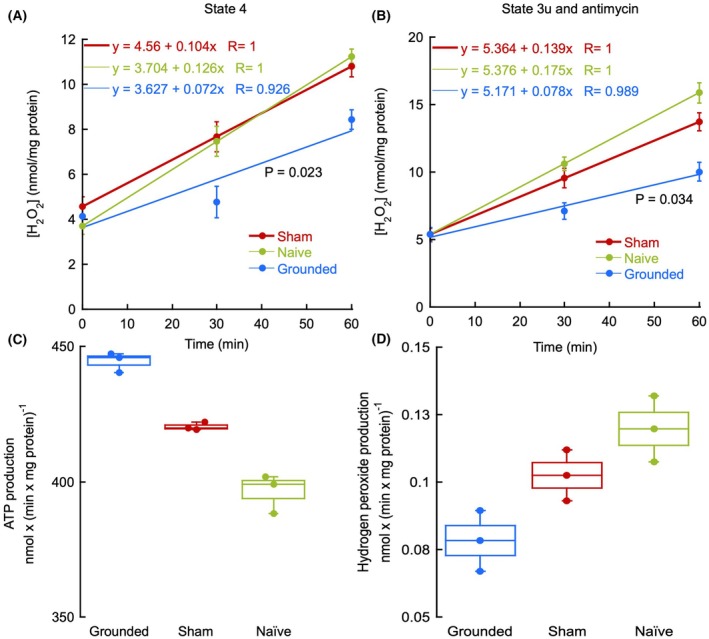
Mitochondria under grounded conditions produced significantly more ATP (by 5-11%), and reduced ROS production (by 22-33%)9.
Oral microbiome associated with pancreatic cancer
In a cohort of 122,000 participants, oral bacteria and fungi were associated with an over 300% increase in the risk of developing pancreatic cancer. 23 bacterium and 4 fungi were identified10.
The 5-year survival of pancreatic cancer is 13%11, so research like this is greatly needed, and we are seeing a lot of studies in recent years about the profound effect that our oral health has on our overall health.
House surfaces act as VOC sponges
An experiment demonstrated the ability of houses to absorb and slowly re-release VOCs over long periods of time, in some cases for over 100 years.
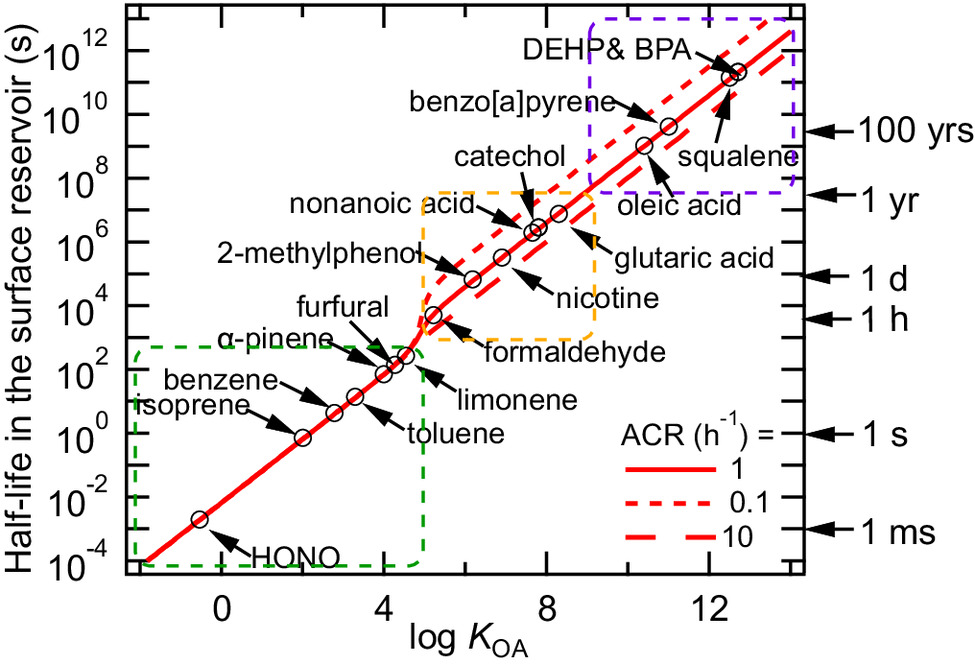
The authors say this helps to explain phenomena like thirdhand smoke, where smoke from tobacco or burning wood lingers for a long time after the source has been removed12.
Gestational diabetes linked to autism, ADHD, and developmental delays
A review of 48 studies spanning nearly 50 years found that people born to mothers who had gestational diabetes – which is like type 2 diabetes that usually disappears after giving birth – had higher likelihoods of ADHD (36%), autism (56%), developmental delays14, and reduced IQs by 3.92 points15.
Conclusion
That’s it for this month, please let me know which of this information was most surprising or useful to you, and subscribe for more content like this.
- Semaglutide and Tirzepatide in Patients With Heart Failure With Preserved Ejection Fraction ↩︎
- Association Between Consumption of Low- and No-Calorie Artificial Sweeteners and Cognitive Decline ↩︎
- Nicotinamide for Skin Cancer Chemoprevention ↩︎
- Effects of 2-year cocoa extract supplementation on inflammaging biomarkers in older US adults: findings from the COcoa Supplement and Multivitamin Outcomes Study randomised clinical trial ↩︎
- COcoa Supplement and Multivitamin Outcomes Study Findings ↩︎
- Multivitamin consumption and childhood asthma: a cross-sectional study of the NHANES database ↩︎
- Multivitamins and risk of fragility hip fracture: a systematic review and meta-analysis ↩︎
- A randomized, double-blind, placebo-controlled study on the improvement of sleep quality with Earthing mat ↩︎
- Earthing effects on mitochondrial function: ATP production and ROS generation ↩︎
- Oral Bacterial and Fungal Microbiome and Subsequent Risk for Pancreatic Cancer ↩︎
- Cancer statistics, 2025 ↩︎
- VOC injection into a house reveals large surface reservoir sizes in an indoor environment ↩︎
- Gestational diabetes linked to autism and ADHD in new study ↩︎
- Gestational diabetes poses substantial cognitive dysfunction risks for both mothers and offspring ↩︎