In addition to both being exceptionally long-lived, they are both known to maintain higher levels of spermidine in their bodies as they age, while for most humans and rodents, levels decline significantly as we age1 2.
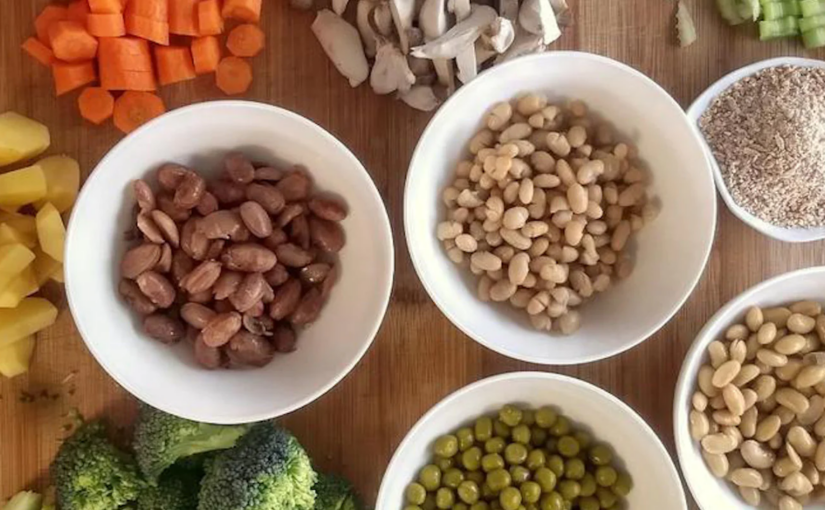
Potent food sources of spermidine include legumes (especially soy products like natto, soy milk, tempeh, etc.), mushrooms, and organ meats like pancreas and intestines3.
Average daily intake from food is around 8-13mg, with some of Asia and Europe on the higher end and the US on the lower end, while a recommended intake may be 25-30mg4.
- The metabolomic signature of extreme longevity: naked mole rats versus mice ↩︎
- Spermidine and spermine are enriched in whole blood of nona/centenarians ↩︎
- Health effects and occurrence of dietary polyamines: a review for the period 2005-mid 2013 ↩︎
- Polyamines: total daily intake in adolescents compared to the intake estimated from the Swedish Nutrition Recommendations Objectified (SNO) ↩︎