Welcome back to the battle between DoNotAge and the other longevity drinks. If you want the intro and explanation of what we’re doing, check out the first article, because we’re going to dive right in to the second ingredient now.
SIRT6Activator
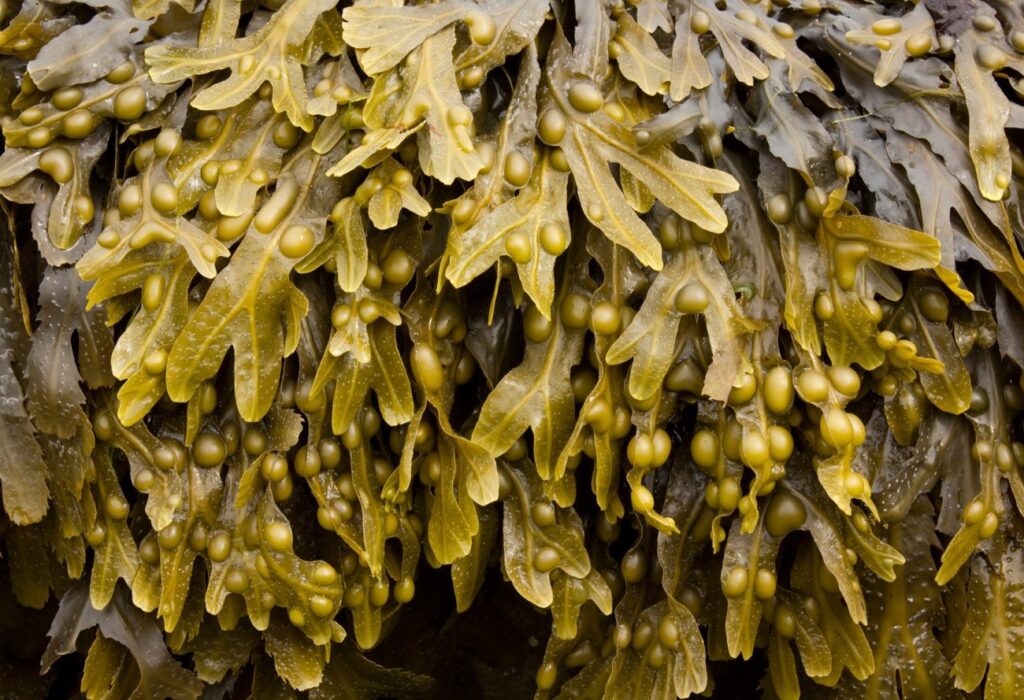
The ingredient here is Fucus vesiculosis, also known as bladderwrack, which is a source of fucoidan. Fucoidan is basically what gives structure to the cell walls of seaweed1.
Given that the name of this product is SIRT6Activator, it makes sense to ask the question:
What are sirtuins?
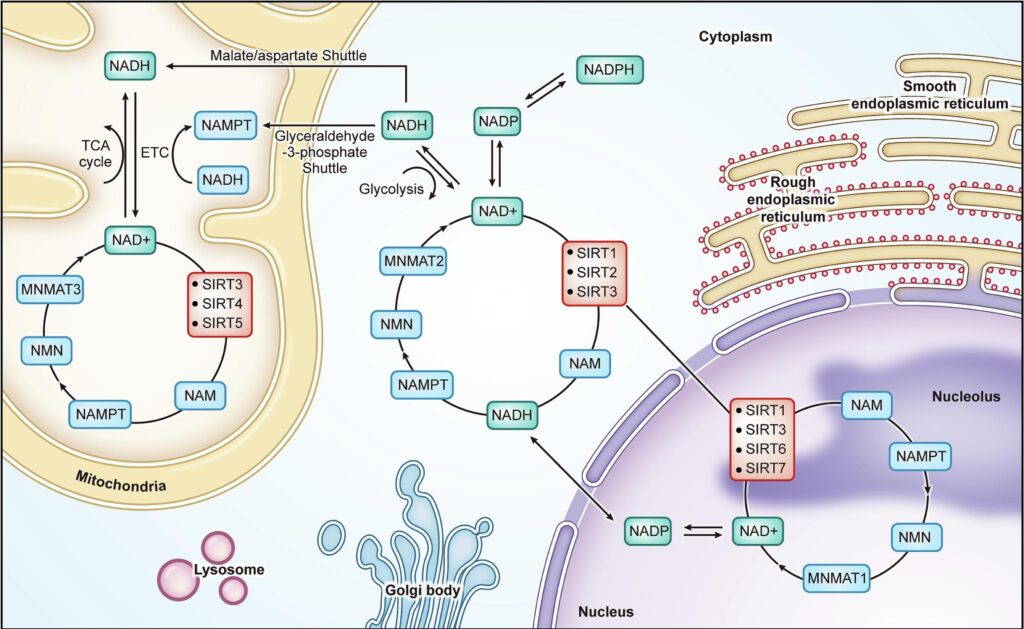
Sirtuins are a group of cell-signalling proteins present in all known lifeforms. In mammals, sirtuins are referenced with all capital letters, like SIRT6. 7 sirtuins have been identified in humans.
There is overlap in the locations of sirtuins, with their involvement in NAD+ metabolism being found within mitochondria, cells, and between cells.
Does SIRT6 activation improve health?
A 2023 review noted that SIRTs 1 and 6 may increase autophagy, and slow the development of COPD and atherosclerosis, as well as some other beneficial effects, but that we need clinical trials in humans before knowing for sure2.
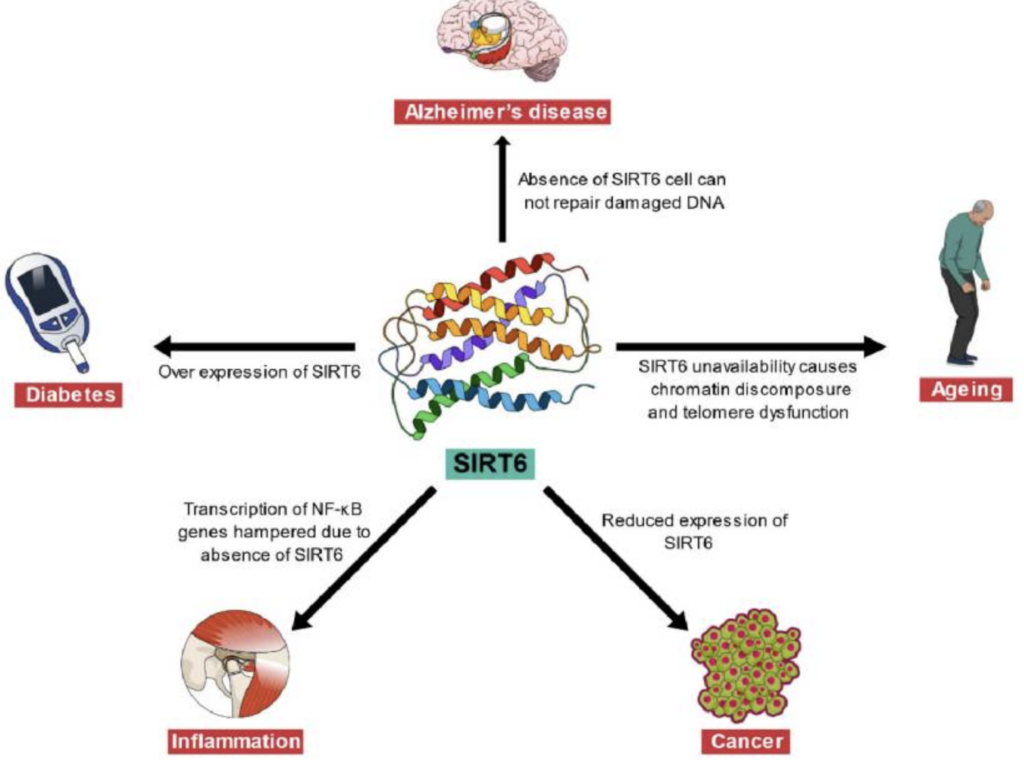
A comprehensive review in the International Journal of Molecular Sciences describes positive effects for both increasing and decreasing SIRT6:
SIRT6 inhibitors are found to inhibit cancer cell growth and promote apoptosis. SIRT6 activators effectively treat diabetes and promote longevity3
So we can see that it’s a mixed bag as to whether you would even want to activate SIRT6. To make it even more complicated, let’s ask another question:
Does fucoidan increase expression of SIRT6?
There are some reviews of fucoidan in the Marine Drugs journal, like ones from 20154, 20195, and 20206. The first two reviews don’t mention any sirtuins, and the last one only discusses SIRTs 1 and 3.
Notable other claims about fucoidan in those studies include that it improves:
- Immune modulation
- Cancer inhibition
- Pathogen inhibition
- Anti-oxidation
- Anti-coagulation
- Anti-thrombosis
- Anti-viral
- Anti-inflammation
- Neurodegeneration and brain injury
with almost all of those claims being based on evidence in non-humans.
A study in the same journal in 2017 made the claim that fucoidan activates SIRT6 but that it does not activate SIRTs 1, 2, or 3, and that it reduces activation of SIRT2. They summarize that:
These results suggest that fucoidan activation of sirtuins is specific to SIRT6.7
That contradicts the review in the same journal 3 years later, which claims it activates SIRTs 1 and 38, as well as a more recent 2024 research article in the Journal of Translational Medicine, which says fucoidan is a modulator of SIRT19.
The review I mentioned earlier noted that none of the compounds they looked at, including fucoidan, “were found as highly selective and potent modulators of SIRT6”10.
This back-and-forth about sirtuin activation has a striking resemblance to resveratrol in the early 2000s, with David Sinclair‘s team claiming that resveratrol activates SIRT1, when that was really a false-positive from the testing method. These DoNotAge sachets also have resveratrol, so we’ll get into that more in its own section.
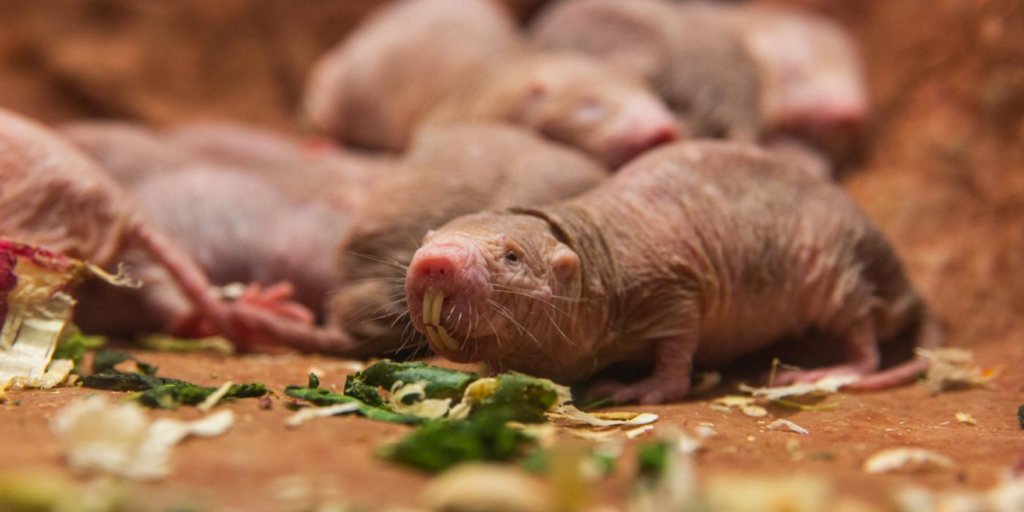
Batches of SIRT6Activator are tested for their ability to activate SIRT6 in vitro by Professor Vera Gorbunova, who is also an advisor for DoNotAge, and is probably most famous for her research on cancer and aging in naked mole rats.
When asked about the testing, Vera stated that:
Fucoidan is not a simple molecule, where you would say, well, as long as you have the purity, it should work. It’s produced by algae, and it contains monomers of fucose sugar which may be interspersed with galactose or other sugars. It can also be sulfated on certain residues. It can be linear or branched.
So even though all of this family of molecules fucoidan, they differ from one another, and it’s not very easy to control what you get, so the best way is to just test it after it’s been extracted from the algae.
She also goes on to say that she wishes we had human data, hopes we will have it soon, then we can talk more confidently about human benefit, but that mouse trials have been promising with reductions in overall frailty, inflammation and biological age, generally longer lifespan, improved coat condition and immune function11.
If that’s accurate, it potentially explains the inconsistent findings we looked at before.
There is a preprint under review by Nature Portfolio titled “Fucoidans are senotherapeutics that enhance SIRT6-dependent DNA repair“, mostly coming out of the University of Minnesota12.
I like looking at preprints to see the latest developments, but we need to keep in mind that the journal peer review process is crucial. It’s not a perfect process, but it certainly helps to improve the accuracy of published data. Basically, we should be more mistrustful of preprints than published articles.
With that big disclaimer out of the way, the preprint authors state:
In particular, fucoidan from Fucus vesiculosus (Fucoidan-FV) displayed potent senomorphic activity in different types of SnCs, reduced senescence in multiple tissues in aged mice, and extended healthspan in a mouse model of accelerated aging.
Does SIRT6Activator improve health?
What about clinical trials involving SIRT6Activator specifically, as opposed to fucoidan? I’m aware of 2, both headed up by Andrea B. Maier who is an accomplished geroscience expert with over 200 publications and 38,000 citations13.
One is called Project SIRT6 Activator, which started in 2025 and is expected to be completed in 2027. It’s a placebo-controlled 6-month trial involving 60 pre-frail men aged 50-80, measuring multiple endpoints including biological age and clinical aging markers14. It will be great to see the results coming in next year.
The other is the PROMETHEUS protocol trial for the XPRIZE Healthspan semi-finals. This is a multi-intervention strategy that uses personalized doses of SIRT6Activator alongside creatine, whey protein, urolithin A, NMN, multivitamins/multiminerals, ergothioneine, physical and mental exercise (exergaming), motivational interviewing involving sleep and dietary recommendations, and CBT15. The interventions and dosing are further adjusted half way through.
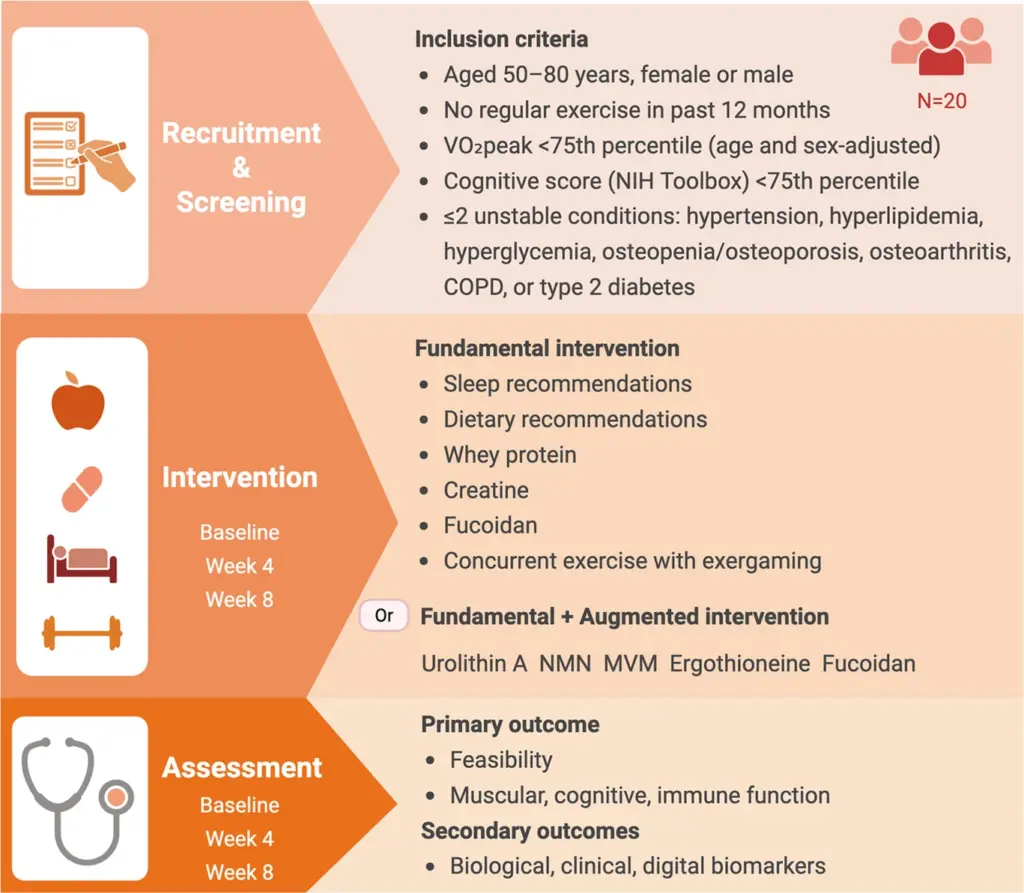
Obviously, the PROMETHEUS trial is not aimed at validating any single intervention – they are throwing everything including the kitchen sink into getting their team to win XPRIZE. There will be no way to tell what effect fucoidan had on the outcome.
When there are that many variables, you can’t even know if one or more of them had a negative effect that isn’t detectable because the other variables are making up for it, so we just can’t tell anything from that, which isn’t the point of it.
The point is to design trials that have the greatest chance to reverse measures of ageing like muscle, cognitive, and immune function, and in doing so win $101 million dollars, and I’m really excited to follow the progress.
The dose used in both of those trials is 2.4g per day, which is more than the 1.6g per day dose in this drink mix. This is especially important to consider given that fucoidan may act on the Nrf2 signaling pathway16, similar to sulforaphane, which could indicate a hormetic effect.
Seaweed
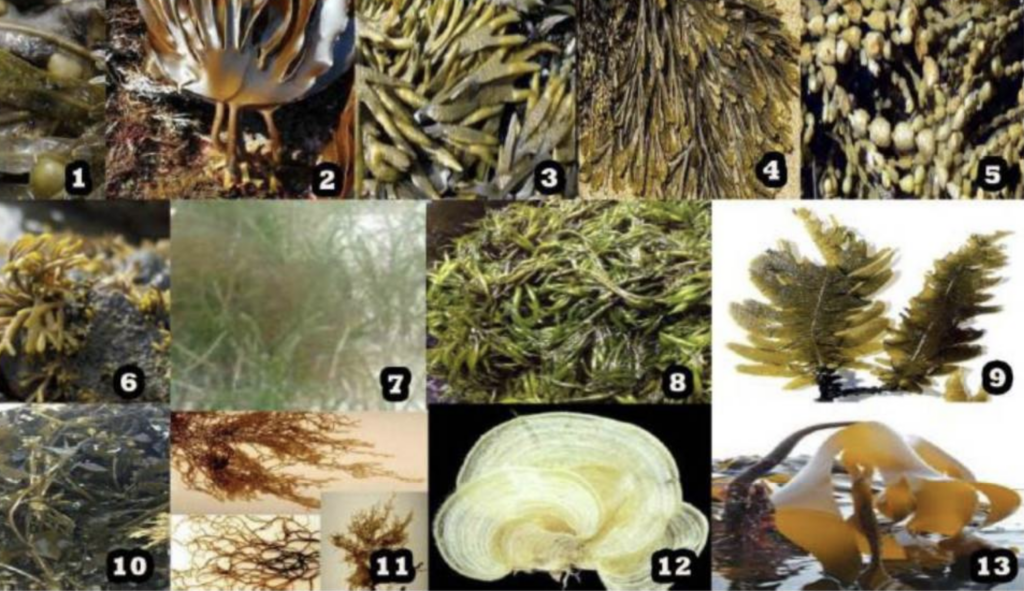
I think seaweed and other types of algae are an underrated food source in the West. Even the fact that we call it sea “weed” shows how much we undervalue this nutritious algae which is a staple food for some of the longest-lived communities.
The only reason fish have omega-3 is because they ate algae, or ate fish that ate algae, it’s a potent source of iodine, and can be a source of vitamin B12 depending on the genus17.
Seaweed has also been shown to increase numbers of commensal gut bacteria, including those that produce butyric acid18, which itself is associated with a host of health benefits19.
On one hand, this gives me some confidence in fucoidan, but on the other hand I’d rather advocate for eating seaweed itself instead of an extract.
Product comparison
This is the shortest comparison ever, since none of the other mixes have fucoidan.
| Product | Dose |
|---|---|
| Blueprint Longevity Mix | – |
| DoNotAge Routine | 1600mg |
| Dr. Brad Stanfield MicroVitamin+ | – |
| Novos Core | – |
| Renue by Science Skin Essentials | – |
| Simply Nootropics Vital Beauty | – |
Conclusion
This ingredient is a tough one for me to judge. There are a lot of claims about its benefits, but not much in humans, and even the published evidence about its effects on sirtuins is contradictory.
The studies that have found benefits in things like neurodegeneration and brain injury recovery have also used huge doses, so I don’t see how it’s possible to know what effect this smaller dose will have on the human body at this stage.
I think it remains to be seen whether this particular structural component of seaweed will be better than just eating seaweed. Seaweed is free to forage, cheap to buy, and is the ultimate carbon crop20, so we really should eat it.
I’m going to give Sirt6Activator a 2.5 / 5.
This might seem harsh, but this stuff costs money, comes in plastic containers, burns fuel to get to your house, etc. so my default rating for any supplement is 0 / 5; it has to really justify itself to overcome those inherent downsides.
This has potential to get a higher score as more evidence rolls in for humans, so now we wait…

Coming Up Next
Next time we’ll look at NMN, which has been in the news a lot lately, so make sure you subscribe to see it.
- Advances in fucoidan and fucoidan oligosaccharides: Current status, future prospects, and biological applications ↩︎
- SIRT1 and SIRT6: The role in aging-related diseases ↩︎
- A Comprehensive Analysis into the Therapeutic Application of Natural Products as SIRT6 Modulators in Alzheimer’s Disease, Aging, Cancer, Inflammation, and Diabetes ↩︎
- Therapies from Fucoidan: An Update ↩︎
- Therapeutic Effects of Fucoidan: A Review on Recent Studies ↩︎
- Potential Beneficial Actions of Fucoidan in Brain and Liver Injury, Disease, and Intoxication—Potential Implication of Sirtuins ↩︎
- The Identification of a SIRT6 Activator from Brown Algae Fucus distichus ↩︎
- Potential Beneficial Actions of Fucoidan in Brain and Liver Injury, Disease, and Intoxication—Potential Implication of Sirtuins ↩︎
- Fucoidan modulates SIRT1 and NLRP3 to alleviate hypertensive retinopathy: in vivo and in vitro insights ↩︎
- A Comprehensive Analysis into the Therapeutic Application of Natural Products as SIRT6 Modulators in Alzheimer’s Disease, Aging, Cancer, Inflammation, and Diabetes ↩︎
- Professor Gorbunova interview on the DoNotAge YouTube channel ↩︎
- Fucoidans are senotherapeutics that enhance SIRT6-dependent DNA repair ↩︎
- Andrea B. Maier on Google Scholar ↩︎
- Project SIRT6 Activator at ClinicalTrials ↩︎
- PROMETHEUS protocol ↩︎
- Fucoidan reduces oxidative stress by regulating the gene expression of HO‑1 and SOD‑1 through the Nrf2/ERK signaling pathway in HaCaT cells ↩︎
- Vitamin B12-Containing Plant Food Sources for Vegetarians ↩︎
- The Prebiotic Effect of Australian Seaweeds on Commensal Bacteria and Short Chain Fatty Acid Production in a Simulated Gut Model ↩︎
- Beyond the Gut: Unveiling Butyrate’s Global Health Impact Through Gut Health and Dysbiosis-Related Conditions: A Narrative Review ↩︎
- How seaweed farms could change the arithmetic of ocean carbon capture…for the better ↩︎