Sulforaphane has been rising in popularity, and I wanted to know more about it. What are the benefits and risks? What’s the ideal dose? Are food sources enough, or should you supplement? What is the best supplement?
Along the way, we will also learn about hormesis, which is crucial for understanding how sulforaphane works. Let’s dive in.
Click here for the video version on YouTube.
What is sulforaphane?
Sulforaphane occurs naturally in brassicas like broccoli, cabbage, brussels sprouts, mustard, bok choy, kale, cauliflower, and papaya (yes, really).
It’s produced when a plant is damaged, and helps protect it from various pathogens and parasites, including insects, oomycetes1, and bacteria2. It occurs when the enzyme myrosinase breaks down the isothiocyanate glucoraphanin.
What are the effects of the food sources?
Before we get into sulforaphane itself, let’s get a brief overview of the studies showing the benefits of the vegetables containing sulforaphane. The vegetables have a bunch of other beneficial compounds like folate and fibre, so it’s not the same as looking at sulforaphane, but we will get to that soon as well.
In a systematic review and meta-analysis of 95 studies, cruciferous vegetable intake was associated with lower rates of cancer, cardiovascular disease, and all-cause mortality. The researchers stated:
Inverse associations were observed between intake of […] cruciferous vegetables and cardiovascular disease and mortality […] and total cancer risk.
The researchers estimated that in 2013, 7.8 million premature deaths could have been prevented by people consuming more than 800g of vegetables per day, with crucifers being in the category with the broadest effect3.
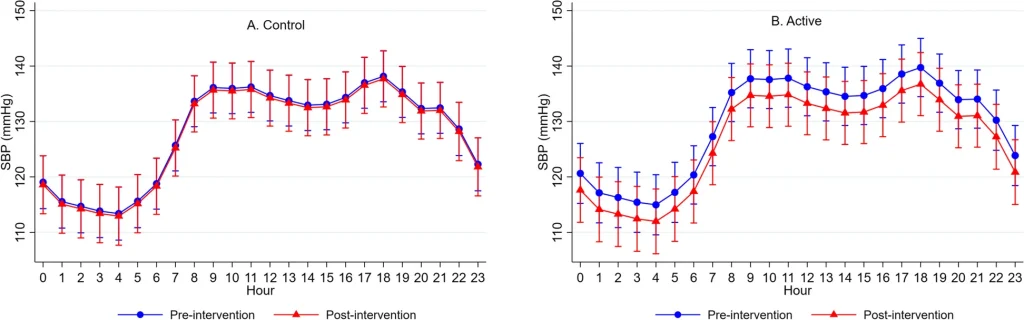
A randomized, controlled, crossover trial from 2024 showed that intake of cruciferous vegetables reduced blood pressure in people with slightly elevated blood pressure when compared to root and squash vegetables4 in the wonderfully-named VEgetableS for vaScular hEaLth (VESSEL) study.
It’s well-established at this point that brassicas are very healthy, so let’s move on to sulforaphane itself.
What are the effects of sulforaphane?
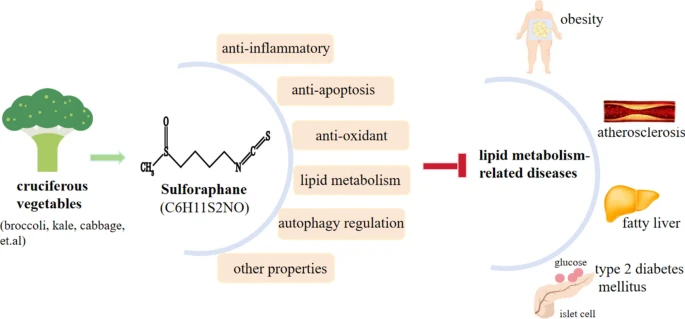
In a 2025 review published in Molecular Biology Reports, sulforaphane is described as having antibacterial, anti-inflammatory, anti-oxidant, anti-cancer and autophagy-regulating properties, with a quote that:
By curbing complications associated with abnormal fat metabolic diseases, SFN exhibits therapeutic effects on conditions like obesity, fatty liver disease, atherosclerosis, type 2 diabetes, etc., with minimal side effects5.
A review in the journal Molecules states that sulforaphane has been associated with a vast array of benefits, including:
- Alleviation of oxidative stress, inflammation, and apoptosis
- Activation of mechanisms associated with reductions in atherosclerosis, hypertension, type-2 diabetes, cardiomyopathy and heart failure
- Suppression of LDL oxidation
- Reduction in ROS levels by 40%
- Increases in the concentration of active glutathione
- Reduction in obesity by inhibiting new fat storage
- Reductions in LDL, leptin, plasma insulin, HOMA-IR, and glucose
- Reduction in body weight and both systolic and diastolic blood pressures
- Suppression of vascular injury in diabetes
- Normalization of triglycerides
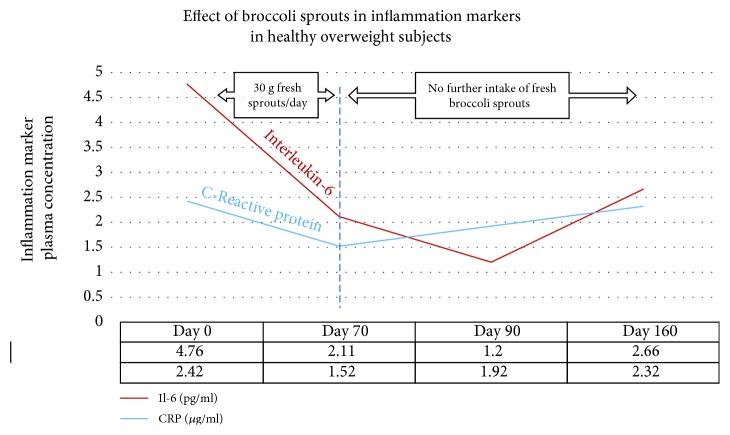
- Reduction of CRP and Interleukin-66 7
In a 2025 review titled “Sulforaphane: An emerging star in neuroprotection and neurological disease prevention“, the authors state:
Recent surging studies including ours have highlighted its ability to impede the progression of Alzheimer’s Disease, Parkinson’s Disease, and cerebral ischemia by fostering neurogenesis and inhibiting apoptosis, oxidative stress, and neuroinflammation.
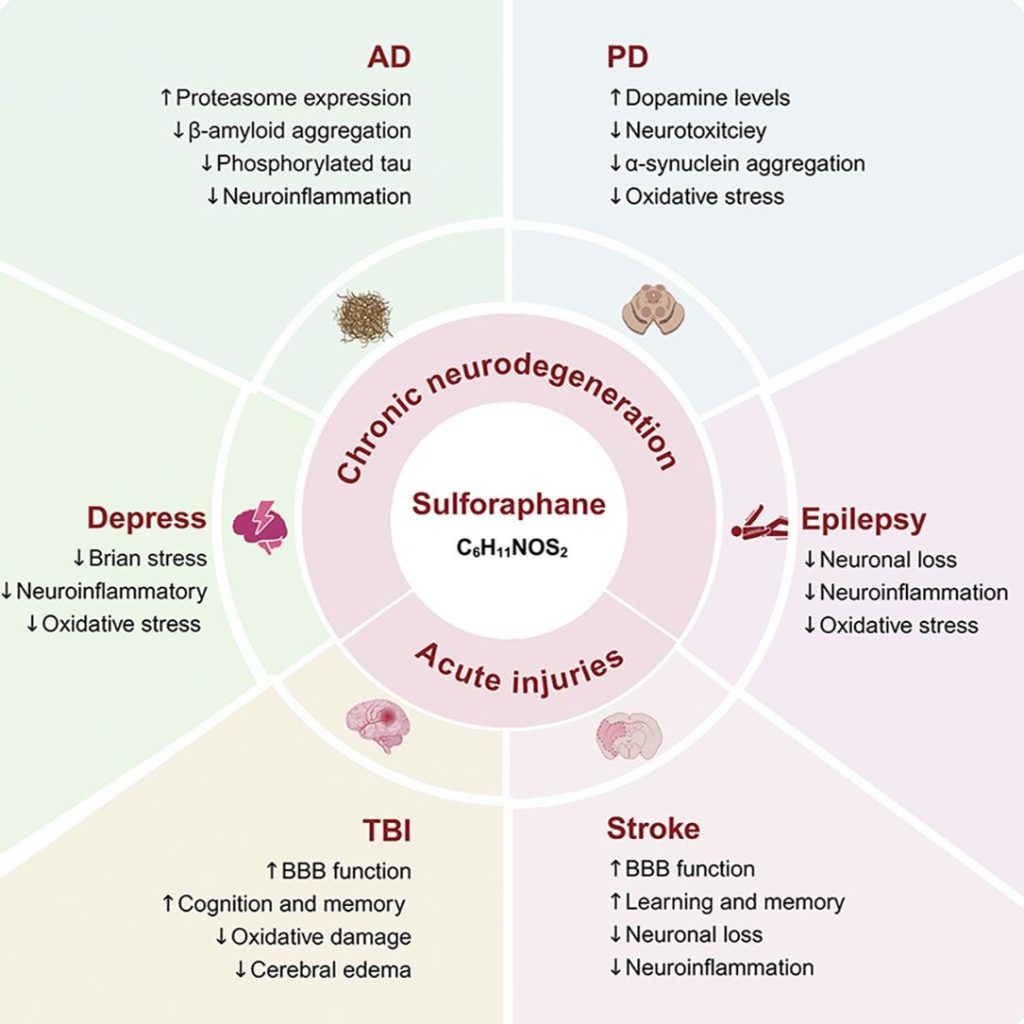
They also reference its anti-cancer, anti-oxidant, anti-apoptosis, anti-inflammation, and glial cell-regulating properties8.
Sulforaphane has even been shown in several human studies to substantially accelerate detoxification of environmental toxins like benzene and acrolein9, and in a preprint awaiting peer review, has extended the lifespan of nematodes by over 50%10, and in flies, which we will discuss further in the next section.
A 2021 review published in Pharmacological Research backs up the claims that sulforaphane reduces the occurrence and severity of Parkinson’s disease, Alzheimer’s disease, stroke, age-related ocular damage, chemically induced brain damage, and renal nephropathy, amongst others, while also enhancing stem cell proliferation11.
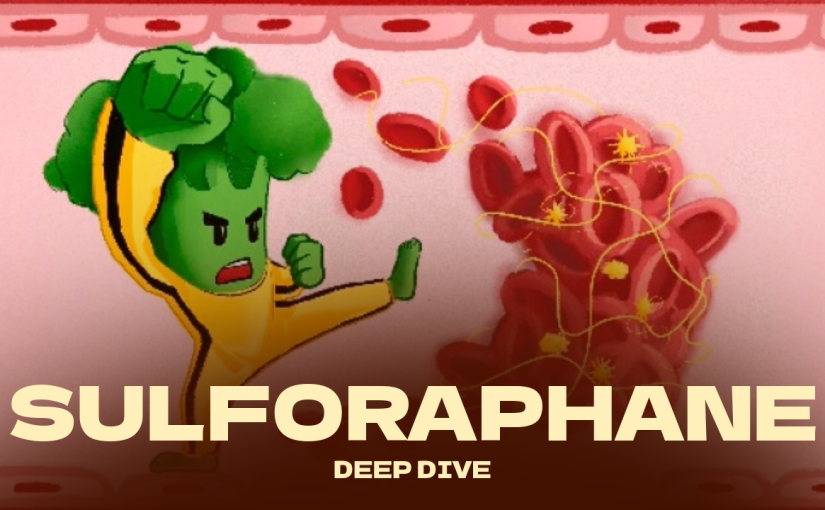
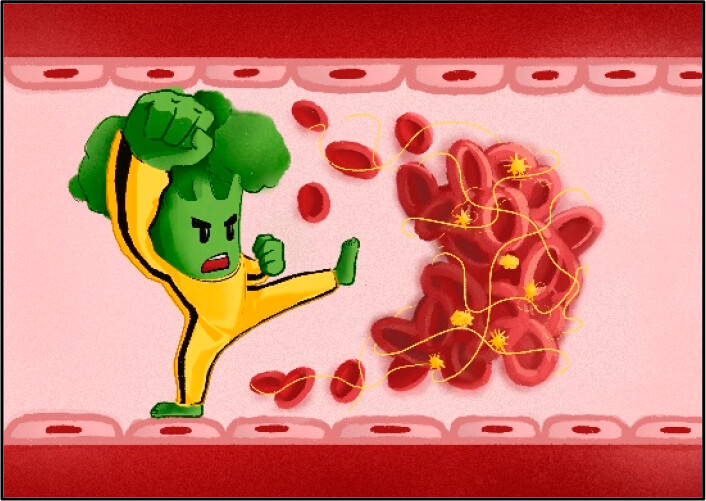
A study last year also provided evidence that sulforaphane has potential for reducing thrombosis and stroke, and it greatly improved the performance of existing blood clot-busting medication. The main reason to include that study here though is the amazing artwork included in the study, of this kung fu broccoli fighting a blood clot12. Love to see it.
While these reviews and studies describe amazing benefits and low rates of side-effects, not all research on sulforaphane is positive.
A study in Redox Biology found that sulforaphane impairs ATP output and cardiac contractile function, resulting in a metabolic capping effect. The authors state that this may be one of the beneficial mechanisms, since it would limit the growth of aggressive cancer cells, but it could also cause cardiac side effects, especially in people at high risk like cancer patients with a pre-existing cardiac co-morbidity13, and I would speculate it could limit athletic performance.
High doses (150mg/kg+) of sulforaphane in mice produced sedation, hypothermia, impairment of motor coordination, decrease in skeletal muscle strength, and deaths14. That’s way over 10x the effective dose used in studies, so with regular intake you won’t hit anywhere near that, but in an unregulated supplement market in which companies offer untested delivery/absorption mechanisms, and hide the dose behind patents and trademarks and expect us to trust them, it’s worth being aware of the potential consequences.
How does it work?
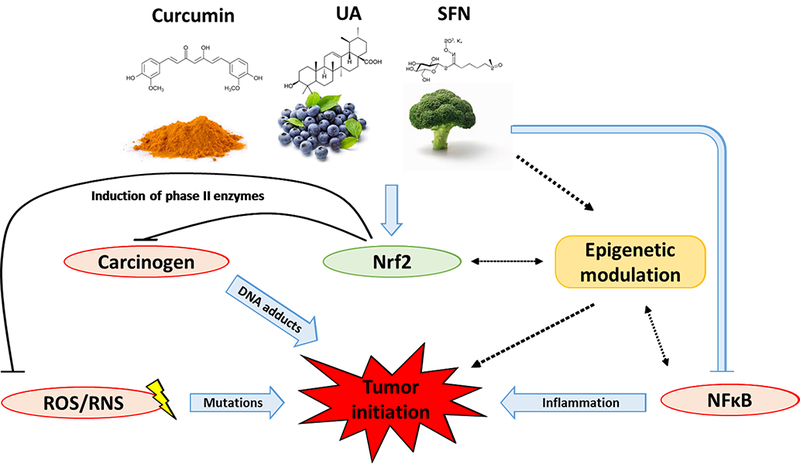
Sulforaphane has been compared to compounds like curcumin and green tea, in the sense that they all offer hormesis-based chemoprotection15.
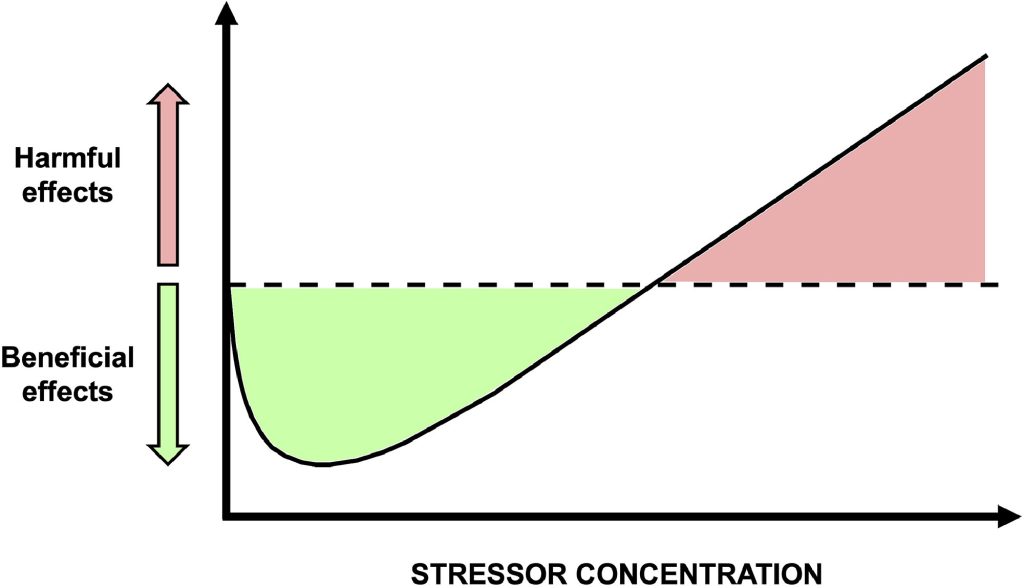
This image from the 2025 article “Hormesis and health” shows the general idea of hormesis, with the hormetic zone in green.
In short, hormesis describes a biphasic response to stressors, where a small amount of a stressor (e.g. exercise, polyphenols, or sulforaphane) gives us benefits, but as the dose increases, the beneficial effects reduce and eventually become harmful16. This is different to the more commonly-understood linear response model, where stressors are thought to start off bad and get worse17.
Sulforaphane activates our cellular defenses, by mediating Nuclear factor erythroid 2-related factor 2 (Nrf2), Antioxidant Response Elements (ARE), and Peroxiredoxin-6 (Prdx6)18.
A study on fruit flies tested curcumin, sulforaphane, and a combination of both. They found that all 3 conditions increased lifespan and protected against neurodegeration, but the most important thing to note is that the most benefit to both median and maximal lifespan was seen at the lowest mixed dose19:
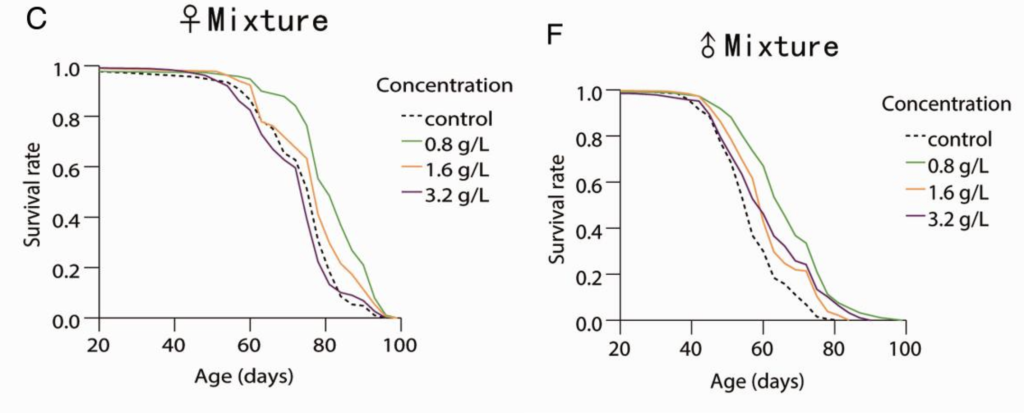
The goal then is to identify a dose that will stress our body just enough to enter the beneficial hormetic zone without entering the harmful zone.
Interestingly, other studies have also found sulforaphane and curcumin to be a beneficial combination, particularly for anti-cancer and epigenetic modulatory effects20 21 22.
How can I get it?
Your best bet is to eat the food sources regularly, with some caveats and tweaks.
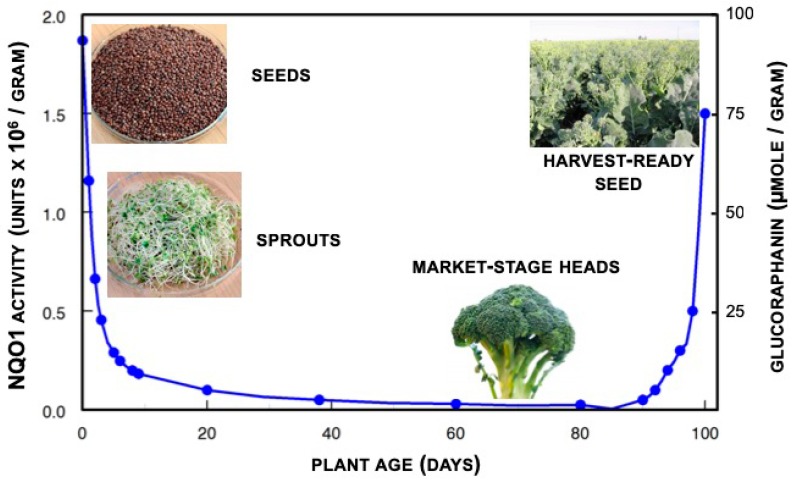
You can increase the amount of sulforaphane in your fresh brassicas by chopping them up at least 40 minutes (even better is 90 minutes23) before applying any heat. That gives the precursors time to combine into sulforaphane. If you apply heat sooner than that, you will destroy the enzyme, and sulforaphane won’t be created.
Unfortunately, most frozen broccoli from the store has no sulforaphane and no ability to make it, because the enzyme myrosinase is destroyed by blanching before freezing. That’s the whole point of blanching, to destroy enzymes that can reduce shelf life. No amount of chopping will restore it. However, blanching does not destroy glucoraphanin, so you can still get sulforaphane if you add some myrosinase by sprinkling a pinch (1/4 to 1/2 teaspoon) of mustard powder24, daikon radish, horseradish, or wasabi25 26.
One trick I use for that is to sprinkle curry powder, which contains mustard and turmeric, over my brassicas while steaming them. That way you get a great flavor, sulforaphane, and curcumin at the same time.
The good news is that even if you don’t pre-chop or sprinkle powder on your broccoli, roughly 12% still gets converted within your gut by bacterial myrosinase, but with huge individual variability from 1.1% to 40.7%27.
Broccoli sprouts have a lot more glucoraphanin than mature broccoli, but people also tend to eat far smaller portions of sprouts, so it might not be as much of a difference in practice.
Should you supplement it, and by how much?
You should eat broccoli and other brassicas regardless of supplementation, because sulforaphane is only one of the healthy components of broccoli.
Most sulforaphane studies are on mice and rats, and like most supplements, there isn’t any truly long-term data about them in humans. Studies usually only last a short time, so while they can show a beneficial effect of a certain dose over the course of the study, it could stop being effective or even cause problems in the long term.
In a review from last year in the journal Antioxidants, authors note that sulforaphane has:
[…] potential negative effects, including chromosomal damage, skin diseases, tumor progression, and overall toxicity […]
If you are happy to take on some risk, it might end up being worth it, or not. Given the hormetic effect, dose is very important.
The same researchers go on to warn that:
[…] it can be concluded that for long-term use of [sulforaphane], it is crucial to carefully consider factors like dosage, timing, and duration28.
This isn’t a case of figuring out how much of a healthy compound to take, it’s a case of figuring out how much of a toxin/stressor to take to get the hormetic benefits from your cellular defenses being activated, without crossing into getting the bad effects.
With those giant disclaimers out of the way, let’s figure out an estimate for supplement dosage. I’m going to provide the numbers for those who like that (and please check my math if you are so inclined, I would love to know of any mistakes so I can fix them) but feel free to skip ahead to the next section if you don’t care about that.
Researchers measured levels of glucoraphanin in over 75 different genotypes of broccoli, finding an average of 0.88-1.10 μmol/g29 while broccoli seeds have up to 100x more at between 3.3-107.5 μmol/g30, and there is a conversion rate for glucoraphanin to sulforaphane of 70-90% outside of the gut31.
We can combine that information with some excellent meta-analyses published in Nutrición Hospitalaria32, Molecules33, and Oxidative Medicine and Cellular Longevity34, to see that most beneficial effects have been observed in humans at a daily intake of between 25 and 835 μmol of glucoraphanin, with a median of 190 μmol, which reflects that most studies use amounts at the lower end of the range.
Finally, converting the units using the molar masses of sulforaphane and glucoraphanin, we end up with a median dose of 83mg. Given the hormetic effect, and the fact that most studies used doses at the lower end of the range, I think 83mg is a good target. Remember that this is just an estimate based on my reading of the limited research.
How does this compare to supplement doses?
Let’s look at some of the supplements that are available, and see whether they offer this kind of dose. I will also specify whether they provide third-party certificates of analysis to guarantee dose or contaminants, because it’s well-established that the industry can’t be trusted to be accurate with their descriptions. In some cases we’ve seen popular supplements that contain no trace of their active ingredient35.
This isn’t a complete list of supplements, but I included the ones I have heard about on popular podcasts and top search results. If you want me to add any to the list, let me know and I will.
Good results are in bold, and products that tick all 3 boxes also have their name in bold.
| Supplement | Claimed daily dose | 3rd party CoA (contaminants) | 3rd party CoA (dose) |
|---|---|---|---|
| Avmacol (Regular and Extra) | >30mg glucoraphanin | No | No |
| BROQ | 1104mg glucoraphanin | No | Kinda (25mg sulforaphane after 2h hydrolysis) |
| DoNotAge SulforaBoost | 460mg glucoraphanin and myrosinase | Yes (All passes) | No |
| HumanX Sulforaphane+ | >30mg glucoraphanin | No | No |
| Pure TheraPro Rx OncoProtect ES | 51mg glucoraphanin | Yes (All passes) | Yes (54.4mg glucoraphanin) |
| SM Nutrition | 33.8mg glucoraphanin | No | No |
| Thorne Broccoli Seed Extract (formerly Crucera-SGS) | 50-100mg glucoraphanin | No | No |
| XYMOGEN OncoPLEX | 30mg glucoraphanin | No | No |
I was surprised to find only one company offering third-party certificates of analysis and disclosed amounts of glucoraphanin. The companies I usually look at who do provide CoAs don’t make sulforaphane supplements, but Pure TheraPro Rx looks like the clear choice in this list as the only one that satisfies all of the requirements.
Conclusion
My conclusions from this research are:
- Eating a good amount of brassicas per day is associated with big health benefits.
- The best food source of sulforaphane is brassica sprouts.
- When you use frozen brassicas, sprinkle curry powder on them.
- Supplementing might be a good idea on days when you don’t eat any brassicas.
- If you take sulforaphane supplements, make sure you stay within the range of 50-100mg of glucoraphanin per day. More is not better.
Thanks for reading, make sure to subscribe for future articles. Is there any info I missed? Did you find out anything new? Do you have further questions? I’d love it if you let me know in the comments.
Supplementary Material
You can download the spreadsheet I used for the calculations in this article below.
Changelog
The following updates have been made to this article since it was published:
- 2026/02/08
Updated the table to specify that DoNotAge have third-party contaminant CoAs on request, they emailed the latest one to me. - 2025/12/03
Added v2 of the Glucoraphanin and Sulforaphane Calculator, which adds the ability to convert grams of mature broccoli, broccoli sprouts, and broccoli seeds, into milligrams of glucoraphanin. Thanks to YouTube user seanandrewscrypto for inspiring the addition.
- Involvement of the Electrophilic Isothiocyanate Sulforaphane in Arabidopsis Local Defense Responses ↩︎
- Sulforaphane, a secondary metabolite in crucifers, inhibits the oxidative stress adaptation and virulence of Xanthomonas by directly targeting OxyR ↩︎
- Fruit and vegetable intake and the risk of cardiovascular disease, total cancer and all-cause mortality—a systematic review and dose-response meta-analysis of prospective studies ↩︎
- Cruciferous vegetables lower blood pressure in adults with mildly elevated blood pressure in a randomized, controlled, crossover trial: the VEgetableS for vaScular hEaLth (VESSEL) study ↩︎
- Protective role of sulforaphane in lipid metabolism-related diseases ↩︎
- Beneficial Health Effects of Glucosinolates-Derived Isothiocyanates on Cardiovascular and Neurodegenerative Diseases ↩︎
- Sulforaphane: Its “Coming of Age” as a Clinically Relevant Nutraceutical in the Prevention and Treatment of Chronic Disease ↩︎
- Sulforaphane: An emerging star in neuroprotection and neurological disease prevention ↩︎
- Broccoli or Sulforaphane: Is It the Source or Dose That Matters? ↩︎
- The broccoli derivative sulforaphane extends lifespan by slowing the transcriptional aging clock ↩︎
- The phytoprotective agent sulforaphane prevents inflammatory degenerative diseases and age-related pathologies via Nrf2-mediated hormesis ↩︎
- Integrating Phenotypic and Chemoproteomic Approaches to Identify Covalent Targets of Dietary Electrophiles in Platelets ↩︎
- Sulforaphane exposure impairs contractility and mitochondrial function in three-dimensional engineered heart tissue ↩︎
- Broccoli or Sulforaphane: Is It the Source or Dose That Matters? ↩︎
- The phytoprotective agent sulforaphane prevents inflammatory degenerative diseases and age-related pathologies via Nrf2-mediated hormesis ↩︎
- Hormesis and health: molecular mechanisms and the key role of polyphenols ↩︎
- The Emergence of the Dose–Response Concept in Biology and Medicine ↩︎
- Sulforaphane reactivates cellular antioxidant defense by inducing Nrf2/ARE/Prdx6 activity during aging and oxidative stress ↩︎
- Antioxidant Blend of Curcumin and Broccoli Seed Extract Exhibits Protective Effect on Neurodegeneration and Promotes Drosophila Lifespan ↩︎
- The molecular mechanism of action of aspirin, curcumin and sulforaphane combinations in the chemoprevention of pancreatic cancer ↩︎
- Synergistic Combinations of Curcumin, Sulforaphane, and Dihydrocaffeic Acid against Human Colon Cancer Cells ↩︎
- In vitro-in vivo dose response of ursolic acid, sulforaphane, PEITC, and curcumin in cancer prevention ↩︎
- Hydrolysis before Stir-Frying Increases the Isothiocyanate Content of Broccoli ↩︎
- The potential to intensify sulforaphane formation in cooked broccoli (Brassica oleracea var. italica) using mustard seeds (Sinapis alba) ↩︎
- Modifying the processing and handling of frozen broccoli for increased sulforaphane formation ↩︎
- How to Cook Broccoli ↩︎
- Protection of humans by plant glucosinolates: efficiency of conversion of glucosinolates to isothiocyanates by the gastrointestinal microflora ↩︎
- Sulforaphane—A Compound with Potential Health Benefits for Disease Prevention and Treatment: Insights from Pharmacological and Toxicological Experimental Studies ↩︎
- Capacity of Broccoli to Induce a Mammalian Chemoprotective Enzyme Varies among Inbred Lines ↩︎
- Glucoraphanin Level in Broccoli Seed is Largely Determined by Genotype ↩︎
- Protection of humans by plant glucosinolates: efficiency of conversion of glucosinolates to isothiocyanates by the gastrointestinal microflora ↩︎
- Clinical and molecular evidence of the consumption of broccoli, glucoraphanin and sulforaphane in humans ↩︎
- Broccoli or Sulforaphane: Is It the Source or Dose That Matters? ↩︎
- Sulforaphane: Its “Coming of Age” as a Clinically Relevant Nutraceutical in the Prevention and Treatment of Chronic Disease ↩︎
- What’s in your supplements? ↩︎